By William Kim, Lizzie Vargas, Jordan Cooper, and Isabel Roman
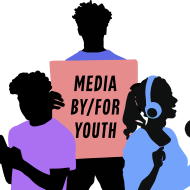
The Media Toolkit developed by William Kim, Lizzie Vargas, Jordan Cooper, and Isabel Roman at USC Annenberg addresses a critical need in contemporary society: increasing political efficacy among youth through media engagement and voter turnout initiatives. Designed with a focus on the impact of media on political participation, particularly in youth demographics, the toolkit serves as a comprehensive guide aimed at empowering young people to understand the importance of voting and to actively participate in the democratic process.
At its core, the toolkit leverages various media platforms to foster political awareness and engagement among teenagers. It utilizes QR codes and links strategically placed throughout its content to facilitate easy access to resources that promote voter pre-registration and registration. By partnering with local organizations, the toolkit ensures that the information provided is not only accessible but also tailored to the specific needs and contexts of young voters in different regions.
One of the toolkit’s standout features is its emphasis on relevance and accessibility for teens. Recognizing that traditional methods of civic education may not always resonate with younger audiences, the creators have curated content that is engaging and easy to understand. Through compelling multimedia content and interactive tools, such as guides on setting up voter registration drives, the toolkit encourages youth to take an active role in shaping their communities and influencing political outcomes.
Furthermore, the toolkit goes beyond mere information dissemination; it aims to inspire action. By equipping teenagers with the necessary resources and knowledge, it empowers them to advocate for their rights and participate meaningfully in electoral processes. This proactive approach not only enhances political efficacy but also cultivates a sense of civic responsibility among the next generation of voters.
In today’s digital age, where media consumption plays a pivotal role in shaping opinions and behaviors, the Media Toolkit serves as a timely intervention. It harnesses the power of media to amplify voices, educate young voters, and ultimately, strengthen democratic principles. By leveraging innovative technologies and collaborative partnerships, the toolkit sets a precedent for how media can be effectively utilized to enhance political engagement among youth.
Moreover, the toolkit’s integration of localized resources underscores its commitment to inclusivity and accessibility. By connecting young voters with community-based organizations, it creates pathways for sustained civic engagement beyond individual elections. This holistic approach not only increases voter turnout but also fosters a sense of community and collective responsibility among young people.
In conclusion, the Media Toolkit developed by USC Annenberg’s William Kim, Lizzie Vargas, Jordan Cooper, and Isabel Roman represents a pioneering effort to harness media influence for positive social change. By empowering youth with knowledge, tools, and opportunities to participate in the democratic process, the toolkit not only enhances political efficacy but also lays the groundwork for a more informed and engaged electorate. As society continues to evolve, initiatives like the Media Toolkit serve as invaluable resources in shaping the future of democracy through youth empowerment and active citizenship.
 Communicating Change