By: Gabriela Chavez
We began the week at the USC Annenberg Youth Academy (AYA), learning about the importance of media literacy. Before joining the program, I considered media primarily as a means of transmitting information. However, I learned that media literacy involves the ability to interpret and critically evaluate messages across various media platforms. Throughout the week, I realized that every image, article, advertisement, or social media post is intentionally created and can influence people’s actions.
Media literacy is essential because it can affect how people read and learn things from the internet. Since so much information is available online, it is important for me to think critically about the content I consume. I realized that not everything I see on the internet is presented in a neutral way. Many forms of media are designed to persuade audiences or encourage certain reactions. This lesson made me more aware of how easily misinformation can spread and why it is important to verify information before sharing it with others. The guest speaker on day 3, Samah Sadia, also allowed me to realize the importance of media literacy through her presentation.
I was especially suprised to learn how much visual elements can affect the way a message is communicated. I learned how colors, fonts, and headers can all imnpact how a message is conveyed. I never really realized how these aspects could affect different forms of media. Before AYA, I never really paid attention to these detials. Now, I notice how bright colors can grab my attention, how certain fonts can make a message seem more serious or trustworthy, and how headlines are often designed to make people want to keep reading. Learning about these techniques helped me understand that media is carefully constructed to communicate specific messages and influence audiences.
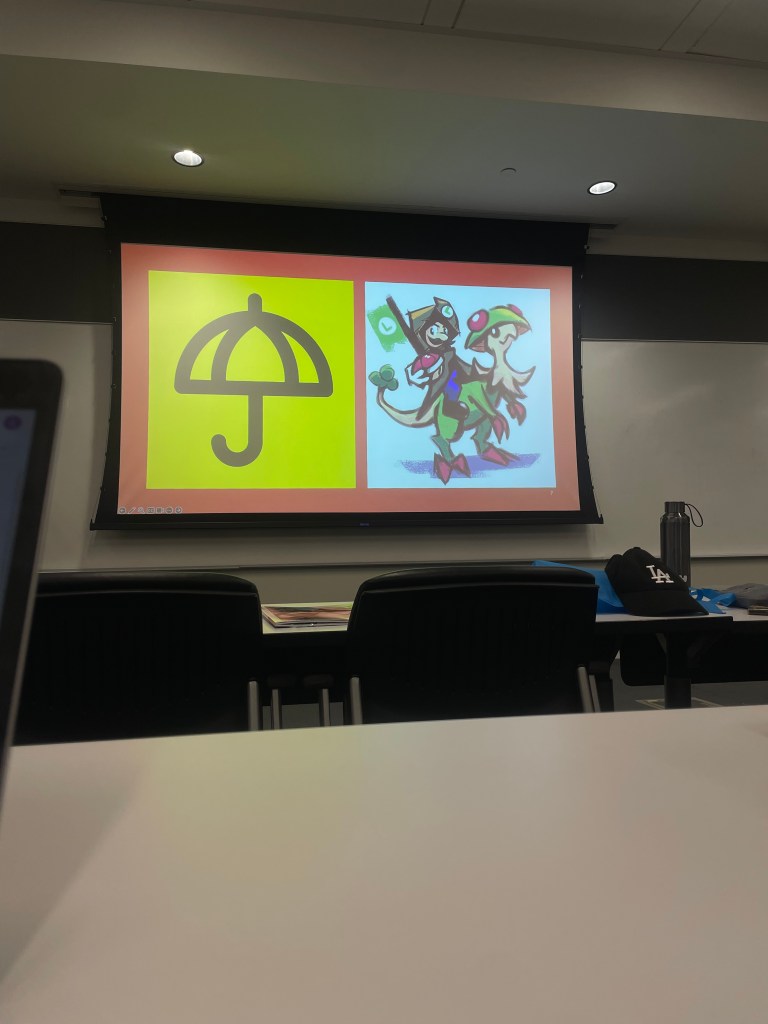
The image shown comes from Day 4 of our Communications class, when we focused on interpreting symbols and images. During this activity, I learned that understanding visual media often requires background knowledge about current events, popular culture, or public figures. As a class, we analyzed images and discussed what they represented. In this particular example, being familiar with recent events and specific people helped me understand the meaning behind the image on the right. If I had not known the context, I might have completely misunderstood it. This activity showed me that images can communicate powerful ideas, emotions, and opinions without using many words.
Overall, my experience this week at USC Annenberg Youth Academy helped me become a more thoughtful consumer of media. The lessons I learned about media literacy have changed the way I view media, and I know these skills will continue to help me both inside and outside of the classroom. As technology and social media continue to grow, I believe media literacy will become even more important.

