
Three weeks at AYA already…unbelievable! My third week at AYA just finished in the blink of an eye. I still feel as though I came in only a couple of days ago. I still can’t believe my time at AYA is passing this quickly. I still feel as though there’s much more to learn about the program and a lot more places to visit on campus. Despite this week’s briefness, it was just as constructive and productive as the others. During this week we learned a little bit more about photography, we learned about civic imagination, heard some wise words from past students of the AYA program, and filmed our second news broadcast.
The guest speakers were students from previous years who attended the AYA program. Throughout the discussion, the speakers shared their experiences with the program and the life skills they gained from AYA. I had a better connection with these guest speakers because they were very young, and one of them was actually still in high school. Something that they all talked about was using the program to network with our peers and professors. To be honest, I’ve been doing my best to communicate with my peers, but not as much as I should, since this is a once-in-a-lifetime opportunity.
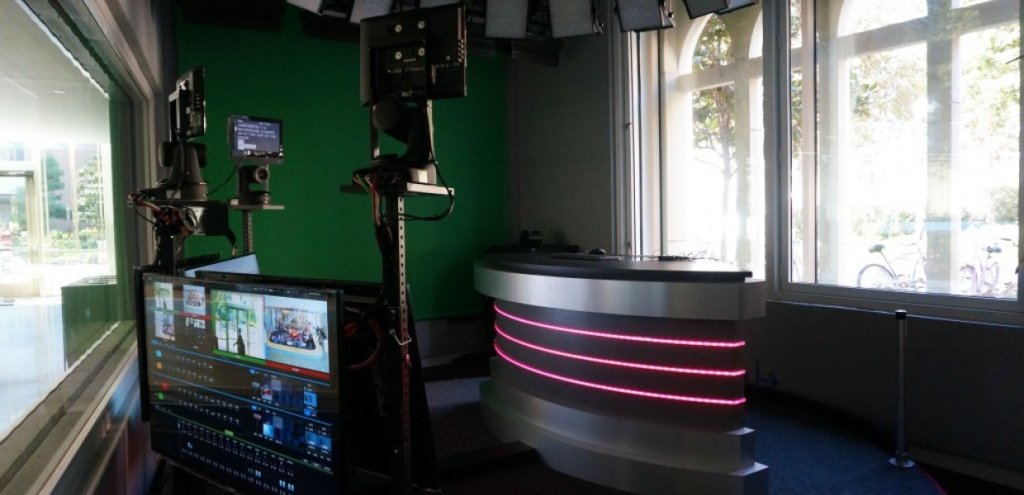
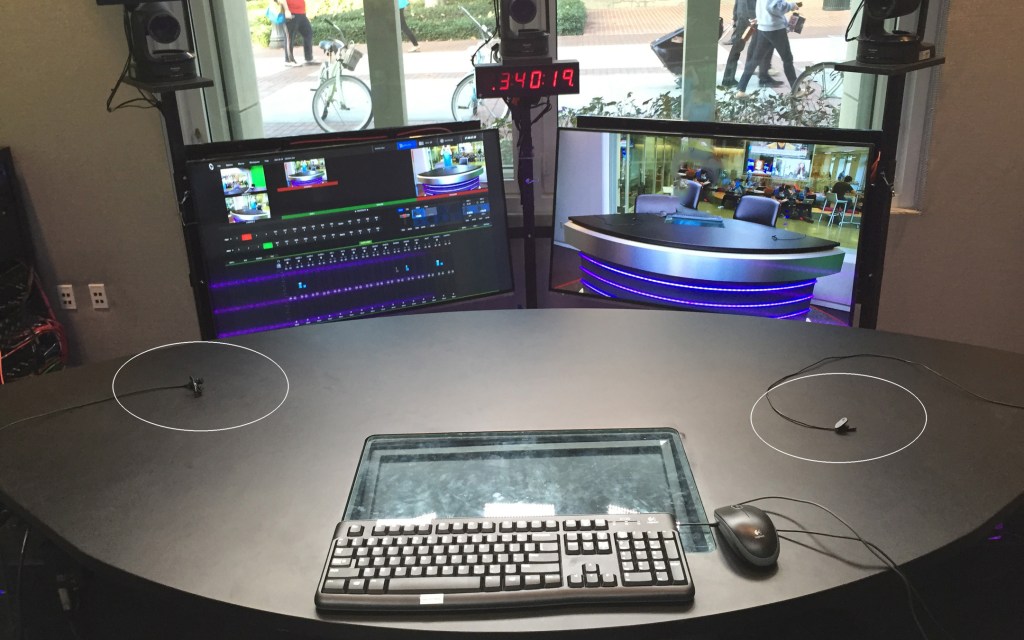
We also had our second news broadcast this week, and this time I was in the room to see all the behind-the-scenes action that goes into making great coverage. My preconceived idea of a session was that it probably takes about two or three repetitions to get great coverage, but I was mistaken. The anchors repeated lines 4 to 6 times before progressing, and the team was very supportive along the way. Furthermore, I realized that speech is not the only aspect to consider in a broadcast. For instance, it is essential to consider the anchor’s posture, ambient noise, reflections, and the lighting in the room.
In our Wednesday Comm 101 class, we were introduced to different tactics people use to approach civic imagination. In short, civic imagination is the way we use our imagination to devise alternative or innovative remedies for existing social or economic challenges. One of the most common methods was to link a social problem with a theme from a fictional TV show or movie. This method of addressing issues proves effective as it engages the audience in a more relatable way compared to conventional news formats.
These past few days, our Comm 101 class and our Journalism class have been teaching us the fundamentals of photography. It was really exciting to learn the theory of photography. However, we were given these new projects, so now we have a chance to practice what we learned so far from both classes and put it all into one final project. I’ve learned so much more than I thought was possible in just three weeks. In my last week, I’ll prioritize exploring the entire campus and being as social as I’ve ever been in the program. This concludes my reflection for this week. Hopefully, I have a lot of exciting stuff to talk about next week, and I’ll have ticked off all the boxes on my wishlist before my time is up, but until then, take care. Catch you later!!!

