
“Music expresses that which cannot be said and on which it is impossible to be silent.” – Victor Hugo.”
Music is a universal language that transcends culture and ideology. For political movements like the student protests against the Vietnam War, or advocacy for civil rights, music has stood as a pillar of hope and expression. Soul/Jazz songs like “What’s Going On,” by Marvin Gaye highlighted the police brutality among teen protesters. Gaye speaks about coming together, promoting an anti-violence sentiment during times of hardship. Songs like these fuel political movements by providing art that political advocates can lean on during times of need. Music also acts as a platform that supports and connects people to what they care about.
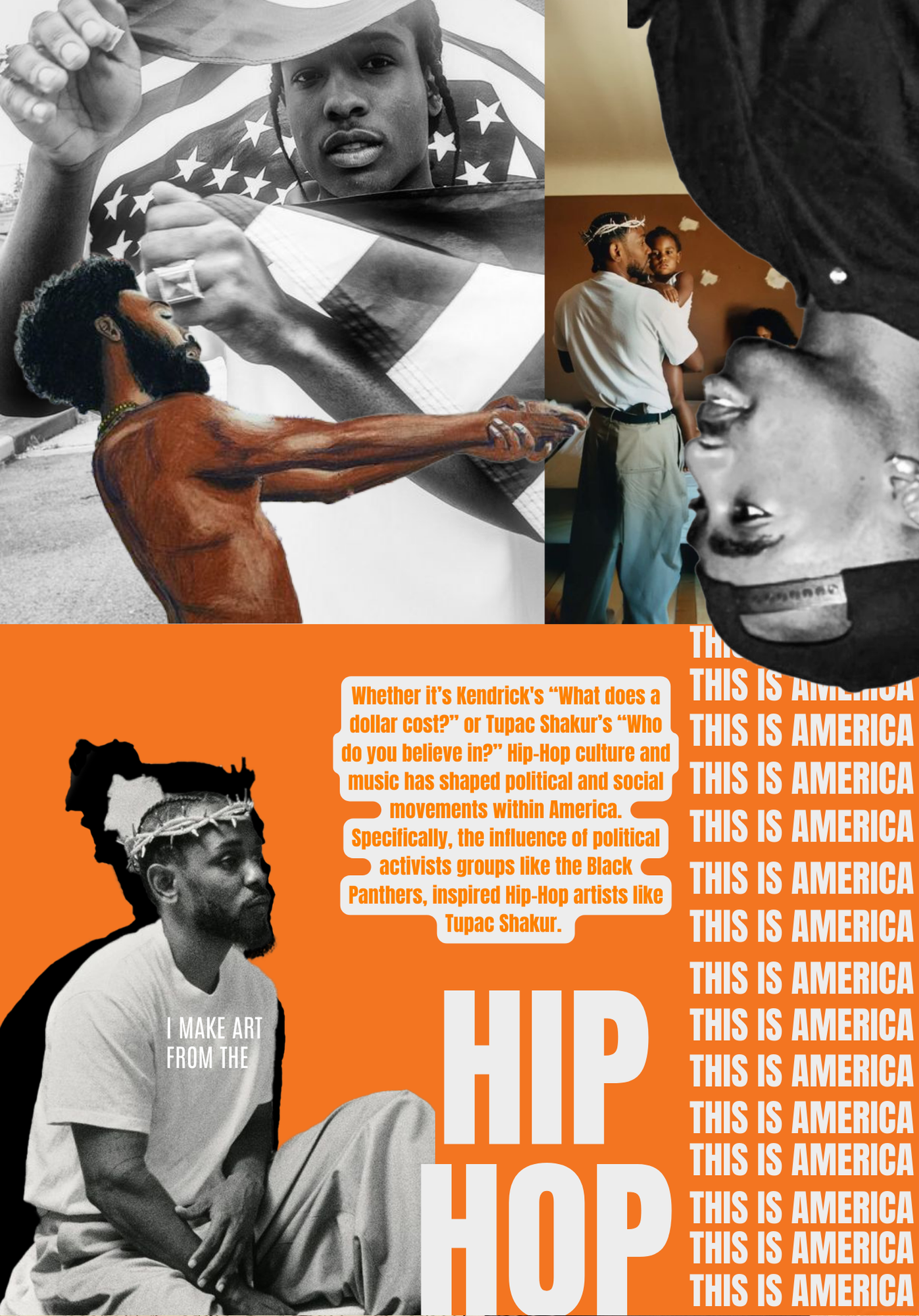
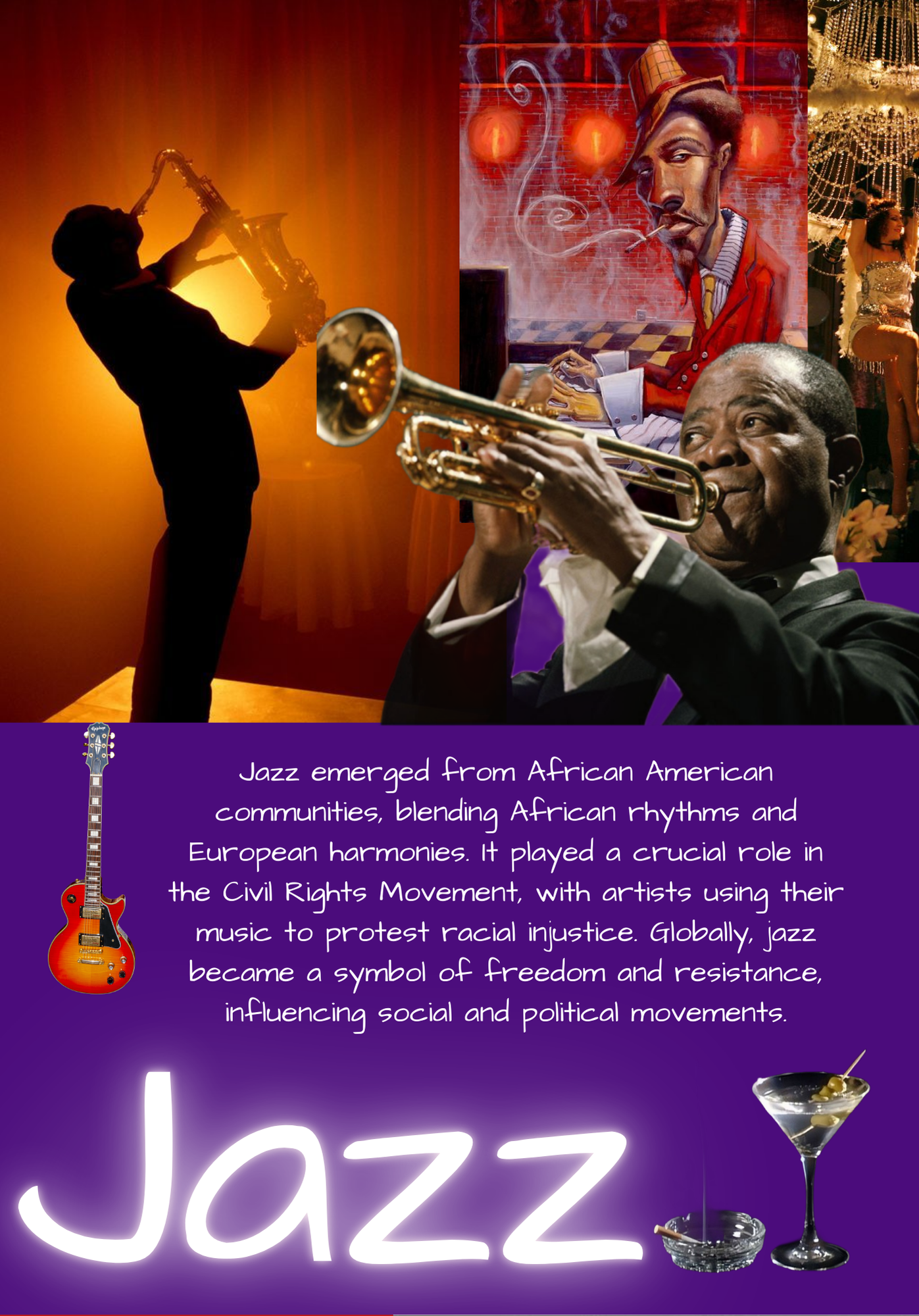
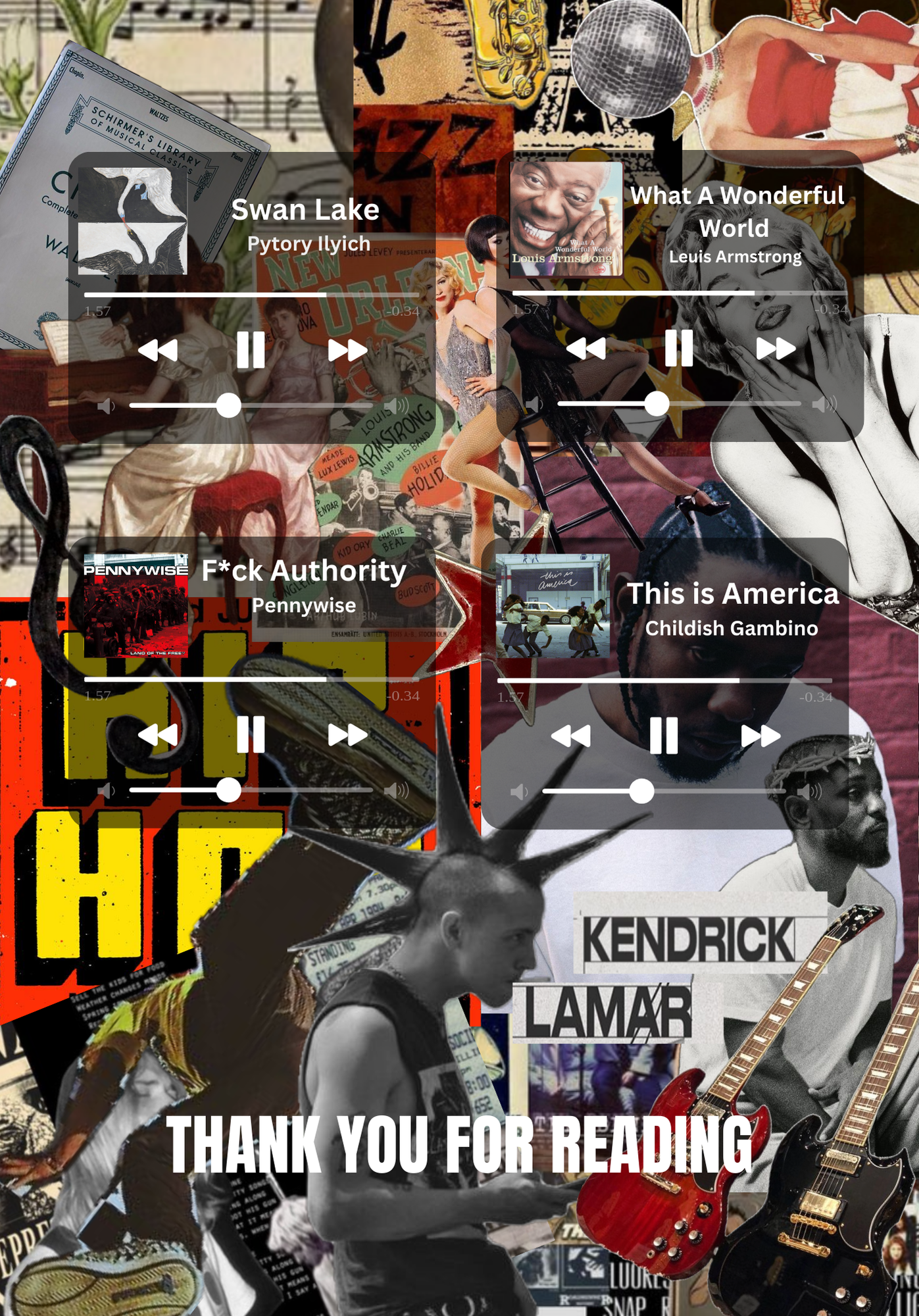
In addition, groups like the Black Panther Party who fought for black lives instead of injustice and violence, heavily influenced Hip-Hop. The call for change through Hip-hop music made this genre heavily tied to addressing social and political issues within the black community. That being said, Hip-Hop artists like Kendrick Lamar, Tupac, Ice Cube, and Childish Gambino, stand as the voice of social justice movements, and advocates for their community. Similarly, jazz often critiqued American society’s shortcomings, including racism, poverty, and war, encouraging listeners to reflect on and address these issues. Emerging from African American culture, Jazz aimed to promote freedom and individual expression.
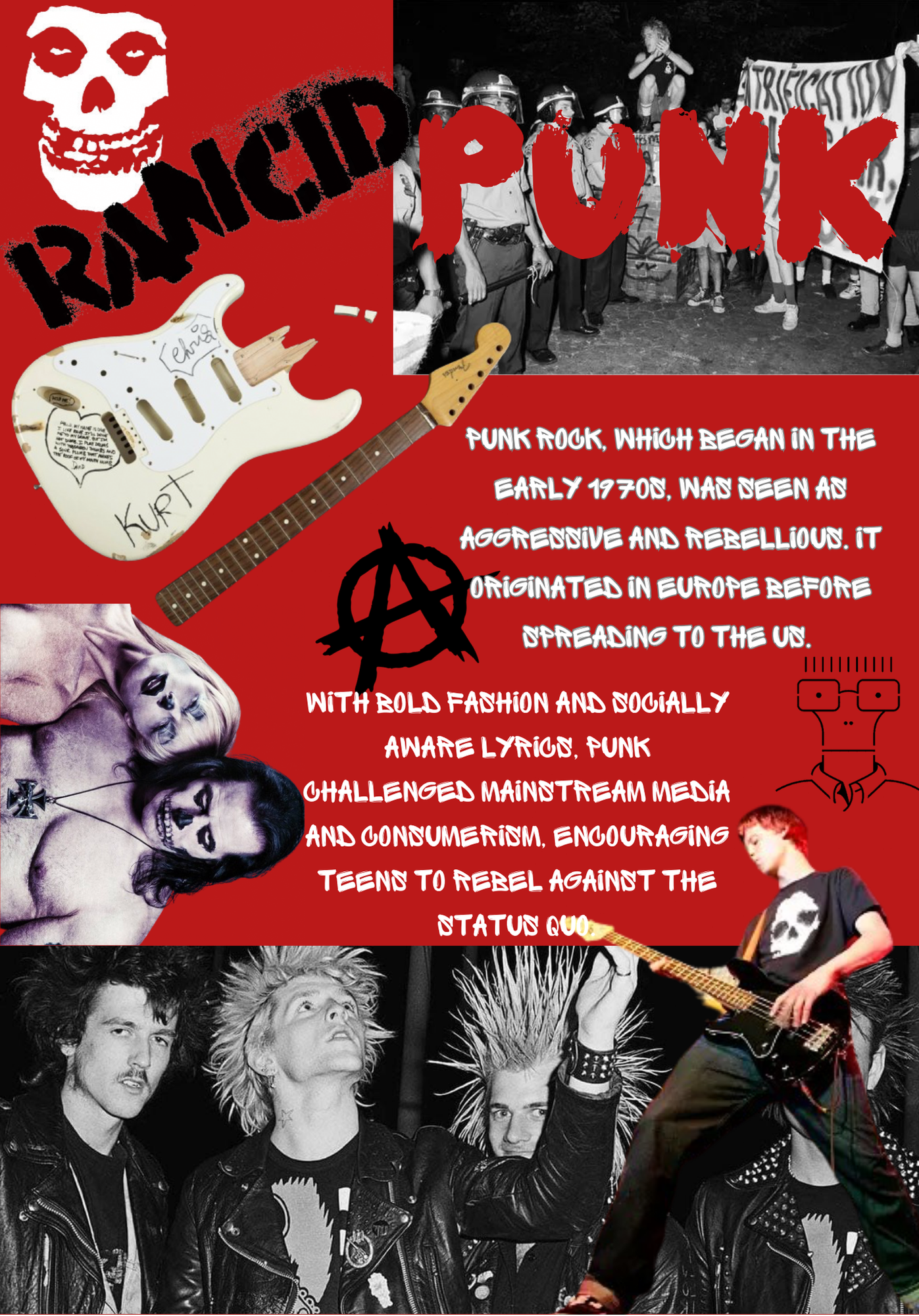
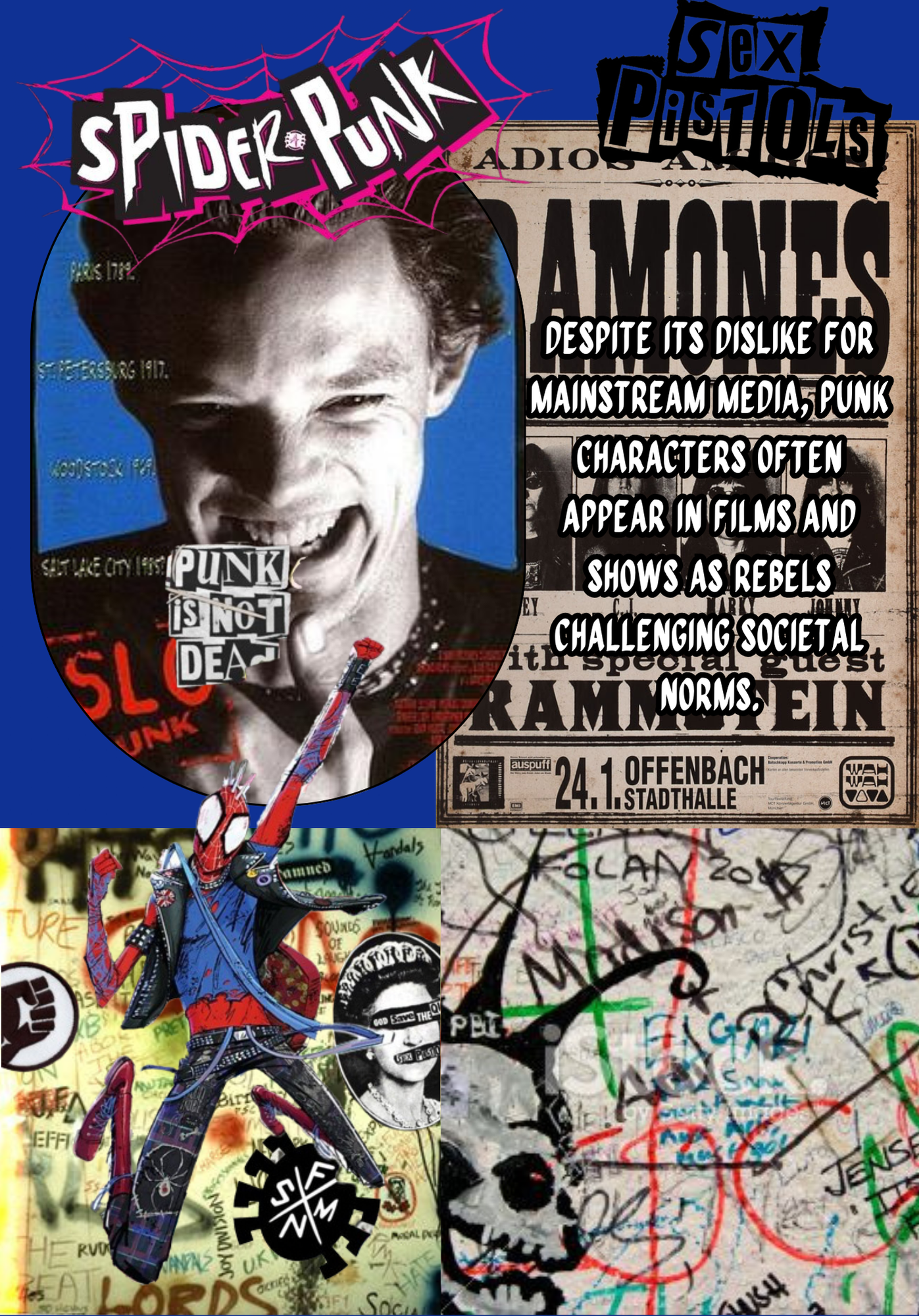
As a stark contrast to the sixties with artists like the Beatles, punk was a dark and gritty reality of a nation plagued by unemployment and social unrest. Punk became the face of political movements of this era with events such as “Rock Against Racism”. However, even the punk scene was divided politically being split between a far-right and a far-left wing. The right-wing were often associated with skinheads and were very conservative in their beliefs. Sparking outrage with the left wing who believed this group of punks were no real punks and were everything the punk scene stood against. This division created a massive schism, which came to a head at shows often resulting in riots and massive fights. These riots further worsened the punk scene’s reputation in mainstream media which furthered both sides’ disdain for one another. Despite this hate for mainstream and consumerism as Punk culture popularized it became less of a movement and more of a trend, leaving a sour taste in the mouth of “Real Punks”.
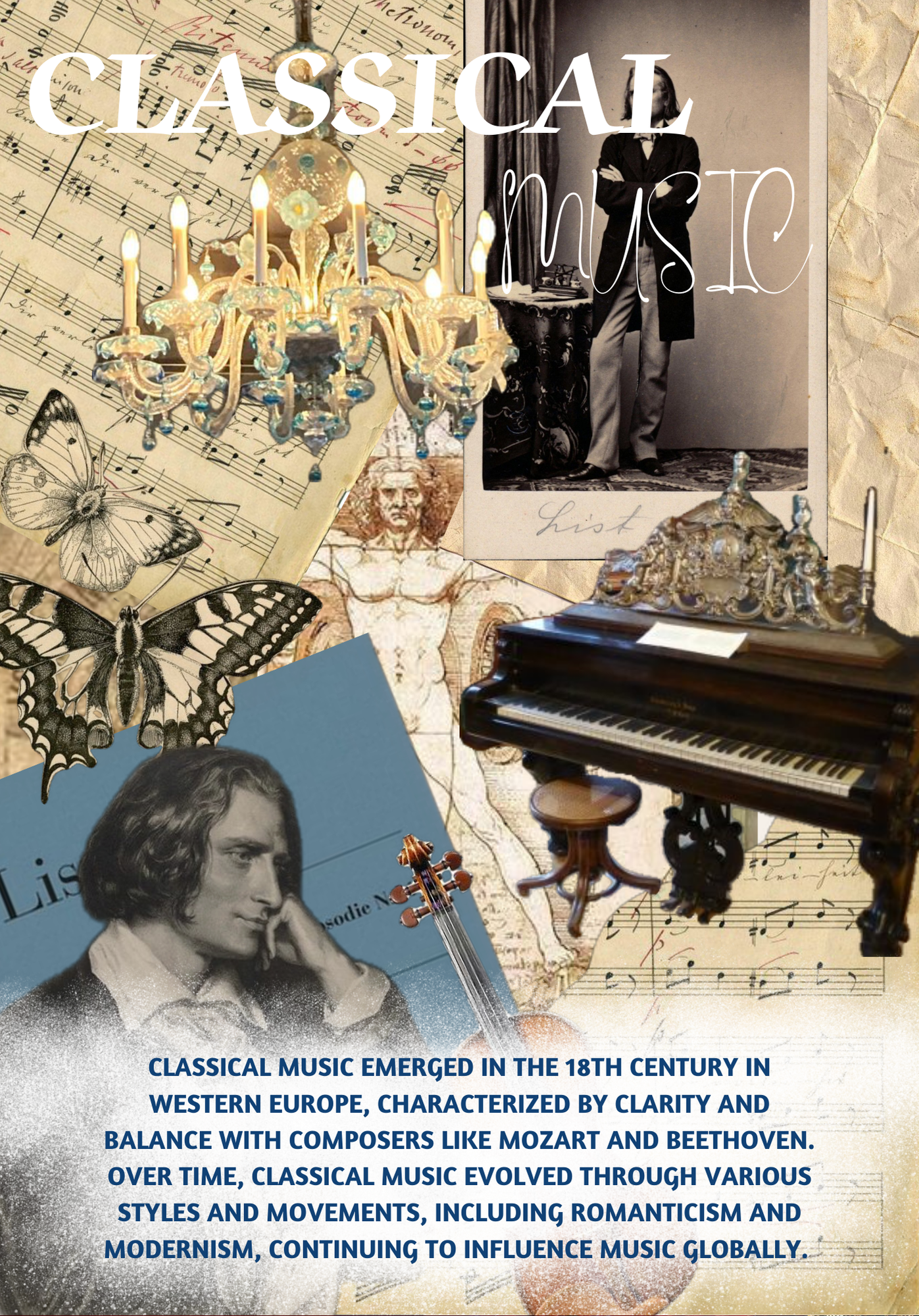
However, none of the modern music today would have been made without classical music, which began in Europe around the 11th century and has significantly shaped society over the centuries. Composers like Bach, Mozart, and Beethoven created music that not only entertained but also inspired and reflected cultural and political changes. This genre’s complex structures and emotional depth have influenced art, literature, and even politics. For example, Beethoven’s “Symphony No. 9” has become a symbol of freedom and unity. Classical music also played a role in education and social gatherings, helping to elevate public taste and appreciation for the arts. Its enduring legacy continues to inspire and influence modern music and society as a whole.
 Communicating Change