

By Astha Munot, Clementine Evans, Diana Galaviz and Zoilo Perez
“Photography is the story I fail to put into words.” This quote is by award-winning photographer Destin Sparks. I think this shows how essential photography is to telling stories; every picture we see is a story in itself. Often times, photos can tell stories that words could never. Especially when it comes to social issues like littering. We can tell what it is and how much it is affecting us, but the true essence of the severity of this problem can truly be captured through photography. That is why we chose to tell the story of pollution, littering in particular, through the art of photography.
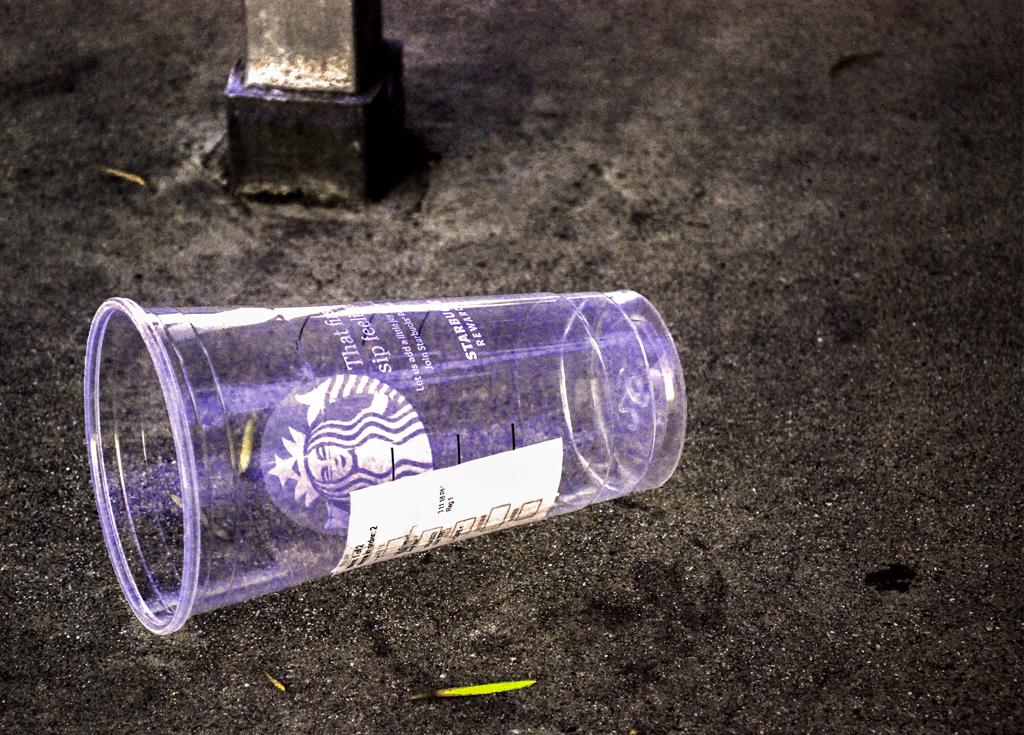
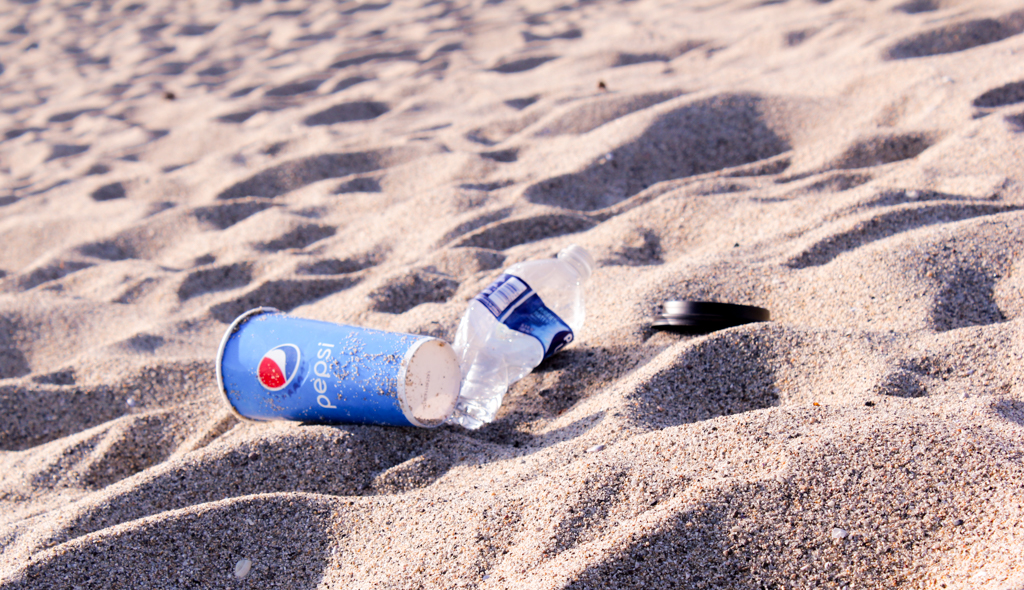
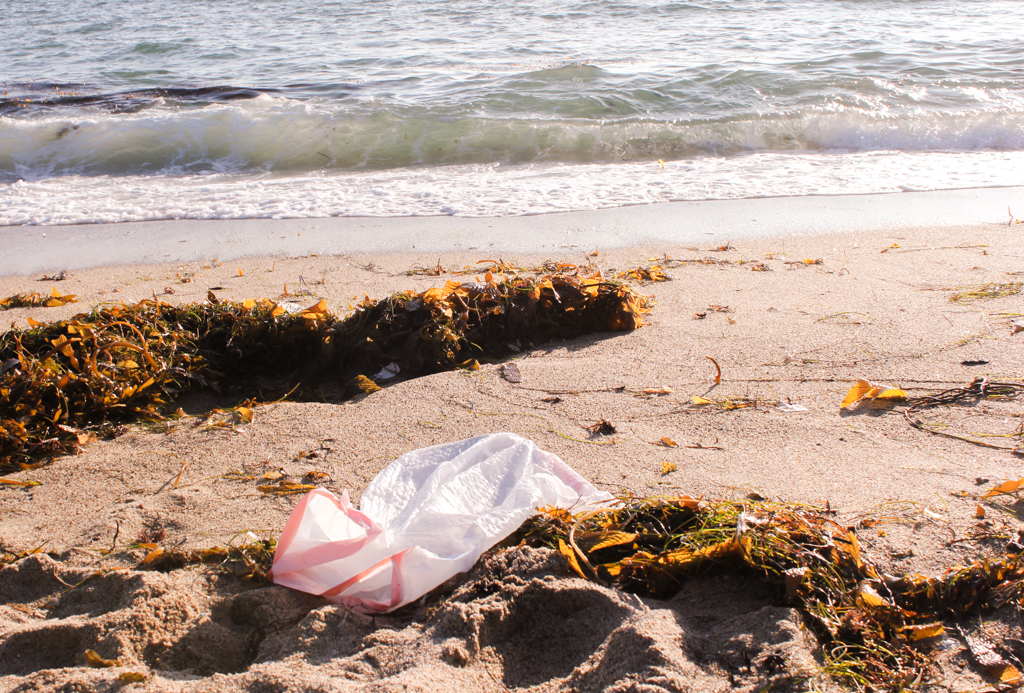
In our photojournalism project, our team will communicate through photography and words the danger of the small action of littering and how it has a worldwide impact. By capturing the image of the normalization of common street littering, we hope to shine a light on the harmful consequences that result. These actions being taken by the Los Angeles community are contributing to the global waste pollution crisis. Most importantly, we want to answer the question, “What can be done to help this general issue?” That is why we have looked at the severity of littering in three different neighborhoods, South Pasadena, Redondo Beach, and South Central, and how communities can help eliminate these issues.
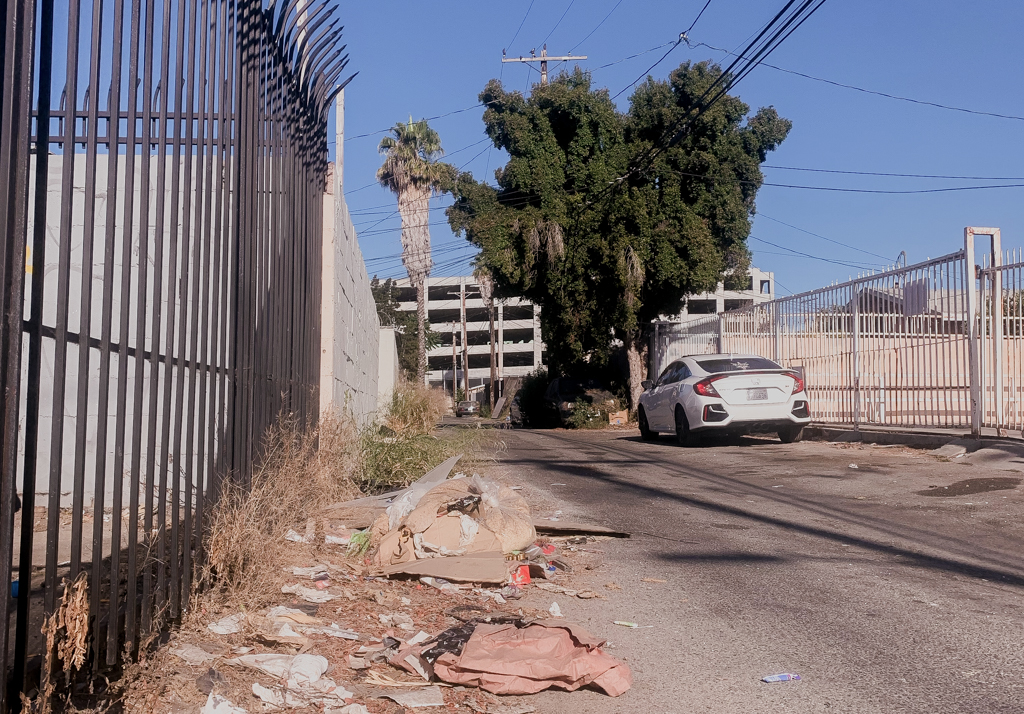
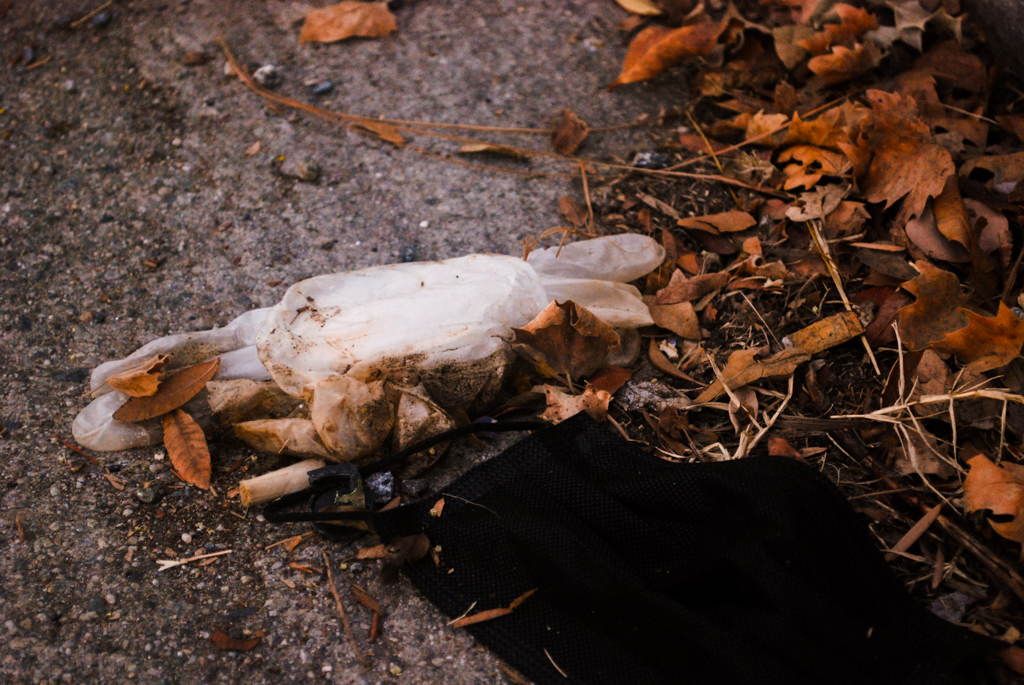
Communities and neighborhoods are being polluted with trash. Littering is a rapidly growing issue in America. Studies are showing that littering not only destroys natural beauty but also decreases property values. People are concerned with the beauty and value of houses. In South Pasadena, an affluent neighborhood adjacent to Pasadena, trash creeps into less-valued parts of town. In parking lots and poorly watered front lawns outside houses, garbage is discarded without a care in the world. Authority figures are not there to reprimand litterbugs. Although it may seem like a small task, one small step in the right direction can make a big difference.
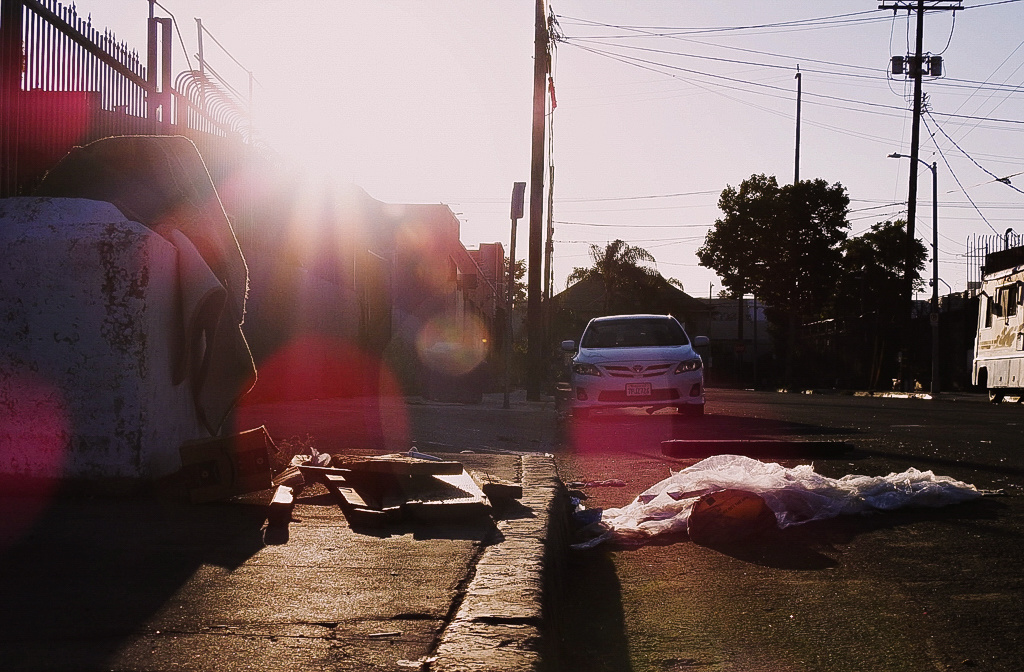
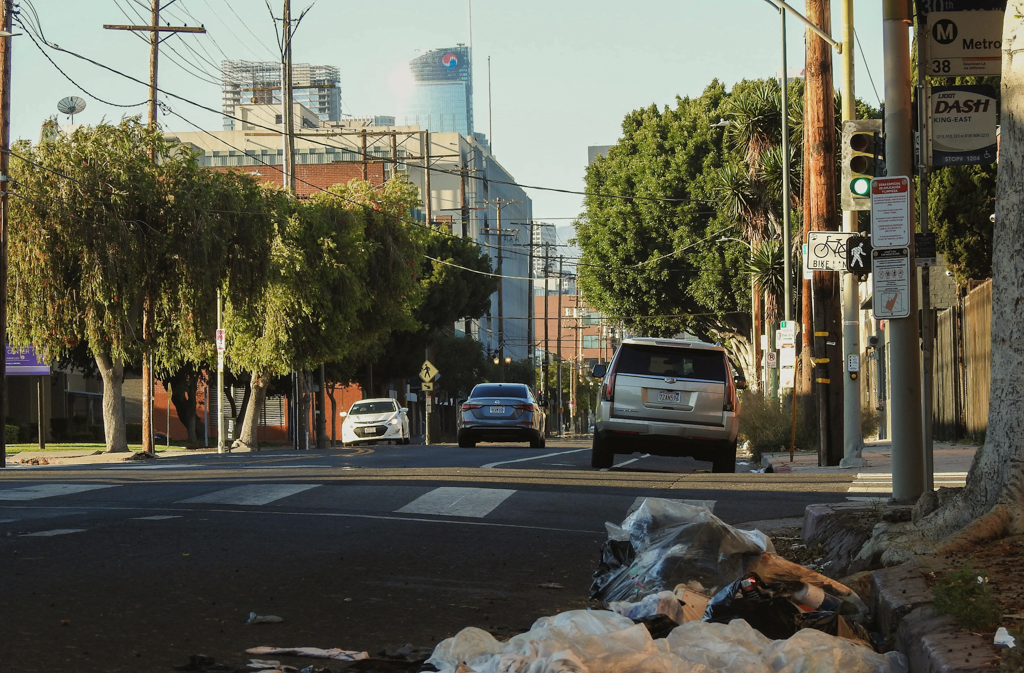
In the city of Los Angeles, there is a small problem that goes on every day that most people push aside. That problem is littering. On streets like Broaday, Hill Street, and Grande Avenue, there are piles of trash dumped on the streets. Some sidewalks are full of trash, which blocks the path. The trash consists of clothes, food wrappers and packaging, and boxes. By capturing the mass dumping of trash, it shines a light on how little pieces of trash can build up into mounds of garbage. By being responsible with how we deal with our trash, we can help control the littering problem in Los Angeles.
Ultimately, what can we do about this issue of littering? Well, there are many ways that we can avoid these issues resulting from littering. Firstly, it is everyone’s responsibility as residents of Los Angeles to make sure all of their trash goes into trash cans. It would be best to start by making sure people stop littering. Moreover, another solution could be to hold regular community clean-ups of streets, parks, beaches, etc. In fact, some of our photography shows a beach clean-up in action. Additionally, we can have incentives associated with the clean ups so more people start showing up at these clean-ups. Another solution is to create less packaging in general, especially for community businesses. These are only some of the plethora of ways we can avoid litter.



 Communicating Change