By: Karina Hill, Chelsea Salazar, Esther Kim, & Adriana Valencia
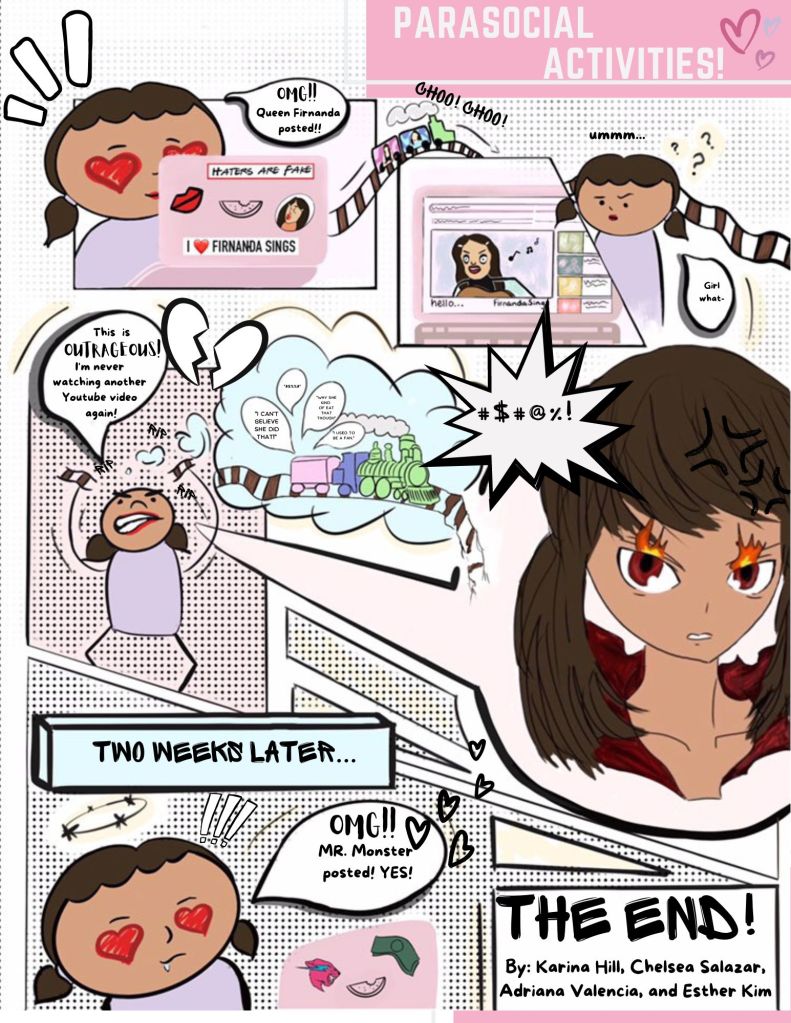
The reason we decided to discuss the topic of parasocial relationships is because of the recent events with Colleen Ballinger, also known as Miranda Sings. She has been under fire after being called out for grooming, manipulating, and exploiting her underage fans. She did this by having them work for her without pay and having online conversations with them—where she spoke with them inappropriately and sent them explicit messages. After posting an “apology” video, titled “hi,” she got even more backlash at the disrespectful way she decided to approach the situation. In this video, she sang a song all while ignoring the fans who said they felt betrayed by her actions and instead began to turn the situation back on the audience by saying all the accusations were simply “toxic gossip” and “rumors.”
Despite the accusations, some fans were still supportive and loved her. Considering the age and maturity of her target audience, it also has to do with them forming a parasocial relationship with her. Due to the one-sided relationship, they felt like they knew her despite never actually meeting her. To them she truly was a friend, though to this adult woman, they were just fans she could take advantage of.
A parasocial relationship is a one-sided relationship where one individual contributes and the other doesn’t know they exist. According to KQED, researchers found that parasocial relationships contribute to loneliness, anxiety, and social isolation.
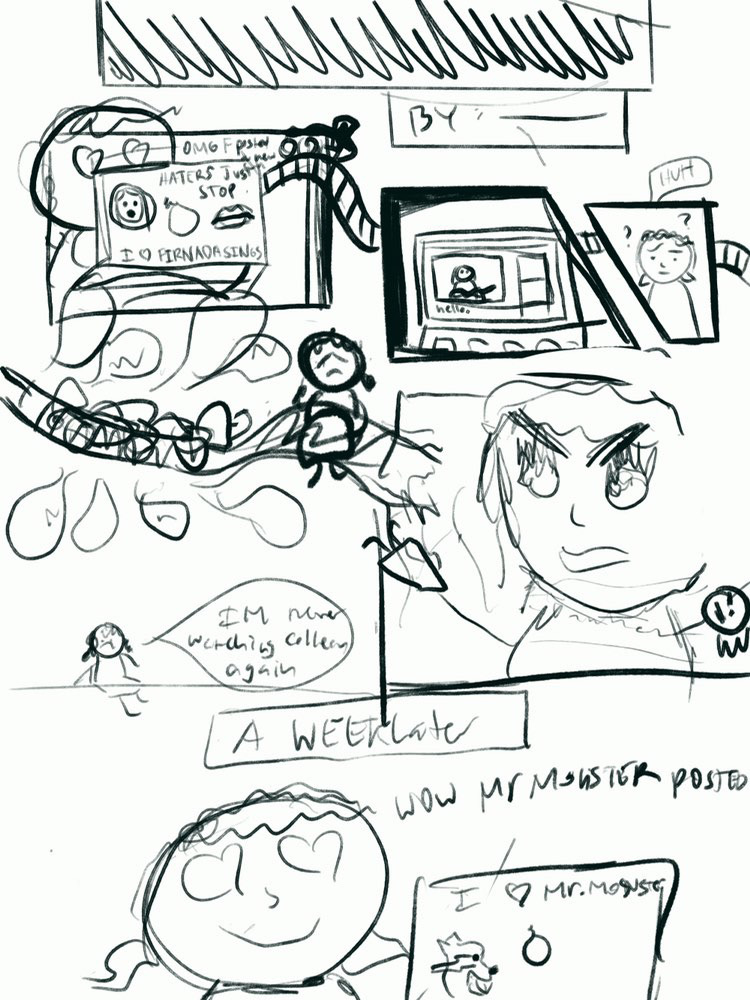
These one-sided relationships tear down an individual’s ability to form true relationships in real life, resulting in them relying on someone they don’t truly know to be there for them. This takes them away from a community of individuals who would benefit them. It is because of this that parasocial relationships negatively affect an individual’s mental health.
Many children form parasocial relationships with influencers who they look up to and admire. In the case of YouTubers who make content for children, they typically put on a persona that they believe children will be drawn to. Children can become so attached and enamored with their favorite YouTuber or influencer that they forget to separate the actual person from whom the influencer exhibits themselves to the world as. In doing so, they begin looking for someone to confide in, trust, and lean on. This desire to find relationships makes it very easy for the influencer to capitalize on their fans. They are able to spread ideas and control the way their fans think when they take advantage of this trust.
Although Colleen has been effectively “canceled” after the backlash of her latest video, the cycle of children creating parasocial relationships with online personas continues to live on. Children should be taught the importance of media literacy in order to have a healthy relationship with social media. Now that the internet has been embedded into the culture of the youth, we should strive for them to use it responsibly.
 Communicating Change