Nice view, huh! This second week at AYA, I was exposed to different buildings at USC, lessons with hands-on experiences, and a visit to the natural history museum. In this reflection, I will be sharing some of the highlights that stood out to me and what I learned from each experience!
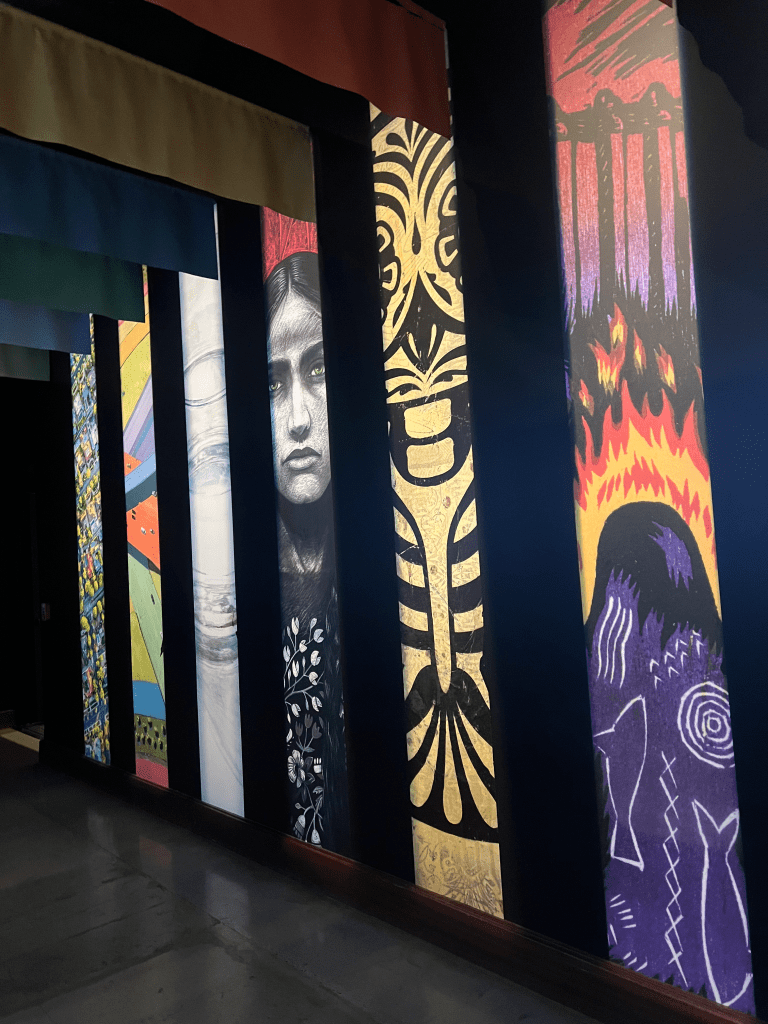
The Natural History Museum
So far, the AYA program has been packed with learning, reflection, and a little bit of nostalgia. Being on the USC campus is already a big thing for me, but getting to dive deeper into media, communication, and self-awareness has made it even more real. Every class had something different to offer, but they all pushed me to think about how we connect with others, with history, and even with ourselves.
In Professor Rogelio’s class, we focused on the evolution of radio and how it has transformed into podcasting. The theme was “Voices of Social Change,” and we learned about McLuhan and the idea of the medium being the message, basically, how the way something is delivered can matter just as much as what’s being said. We also talked about radio being a “hot medium” and how it grabs your full attention. But what really stuck with me was the idea of the intimate voice and how powerful it can be when you feel like someone is speaking directly to you.
One of my favorite lessons was about the civic versus propaganda goals of radio. It clicked for me right away because I had taken APUSH junior year, and we studied FDR’s fireside chats. Hearing about that again and how his radio speeches helped democratize voice and bring calm during a stressful time, just brought back what I already knew and made it feel fresh. And then comparing that to how the Nazis used radio for propaganda… that contrast showed how powerful communication really is. It was cool connecting something from my past studies with what we’re doing now.
Then, in Professor Alan Lopez’s class, we did something totally different, silent interviews. I’d never done anything like it before. Basically, we had to observe someone without speaking and guess things like what music they liked, their living situation, how they deal with conflict, or if they’re a leader. We did this with someone he works with, and I was honestly surprised at how much we could pick up just through body language and little visual cues. It really opened my eyes to how much we say without actually saying anything. I feel like it made me more aware of how I carry myself, too.
And then, to close out the week, we took a trip to the Natural History Museum. That was such a full-circle moment. Seeing dinosaur fossils, giant birds, and all these detailed exhibits made me feel like a little kid again. It reminded me of school field trips where everything felt magical. I walked through those halls looking at things that are so old but still being remembered and honored. It kind of ties back to what we’ve been learning and how stories and voices (whether through radio or silent communication) get passed on, remembered, and felt by others.
This week at AYA helped me think about communication in new ways. Whether it’s through a podcast, a silent observation, or even walking through a museum that tells stories without saying a word, I realized how many forms voice can take. Civic participation isn’t just protests or speeches; it can be found in storytelling, observation, and even the quietest moments.
Works Cited:
Hobbs, R. (2017). Digital Audio and Podcasting
 Communicating Change