
This is my USC AYA Reflection for Week 2.
Balance is often thought of in pairs: on, off; chaos, order; logic, emotion. And through this week’s lessons, I have come to understand how this applies to media as well. From the lectures to the museum visit, this week has taught me the impact behind storytelling that derives from the balance between what happens in front of the camera as well as what goes on behind it.
Coming into Week 2, I was introduced to storytelling, specifically through podcasts. It involves narration, which provokes an emotional response in the audience. Professor Allan Lopez further explained the reasoning behind this is because you often feel like the host is talking at you. I truly felt this while watching the winning My Hero story by Katherine Liao. In her story, she highlighted the conflict of Irvine residents, explaining how they faced issues with the air quality due to the American asphalt plants around the city. She explains how these residents went to the mayor and spoke out about their concerns, but were met with dismissal and betrayal of promises. However, after collective voices fighting for change, the American asphalt plant owners ended up selling the plants. At the end of the story, Liao sat in front of the camera, reminding her audience that the heroes aren’t those who wear capes or armors, but those who fight for their own and others. This reminded me of a concept I was introduced to last week: civic imagination. From the initial hopelessness Irvine residents faced to eventually influencing all American asphalt plant owners to sell the plants, Liao captures the story perfectly, as she exemplifies the idea of “heart” (telling a story of experience through pathos and motivation), passing on the strength of the residents to those who may feel like they don’t have enough power or authority to make a difference.
Behind the meaningful and heartwarming moments in Liao’s film, the hours she poured into making the film are also worth acknowledgment. From choosing a story to cover, contacting those involved, filming, and editing—nothing about video production is easy. As Renee Hobbs proposes in Create to Learn, a successful production is not only dependent on the emotional aspects but also the technical ones. I experienced this as I wrote my own scripts, edited my own vox pops, and experienced the production process myself. On Thursday, during Journalism 101, we went to the studio in the Annenberg building to create our own newscast, different from Liao’s story, we spoke about different stories through the idea of “head” (reflecting experience with logos and analysis).
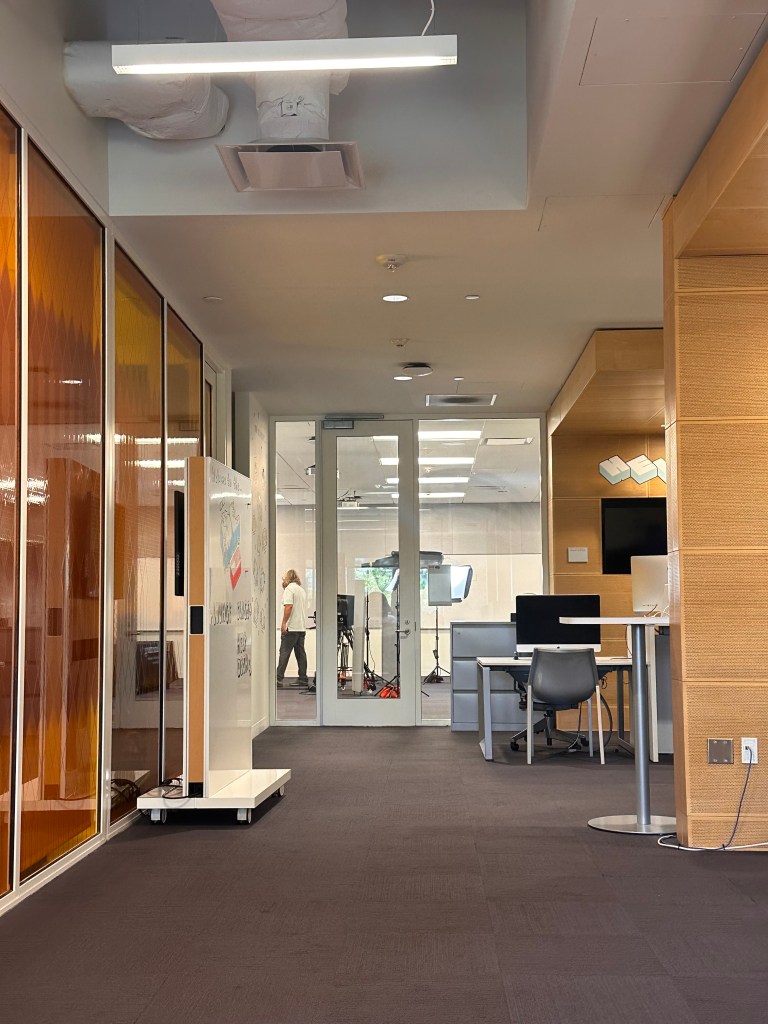
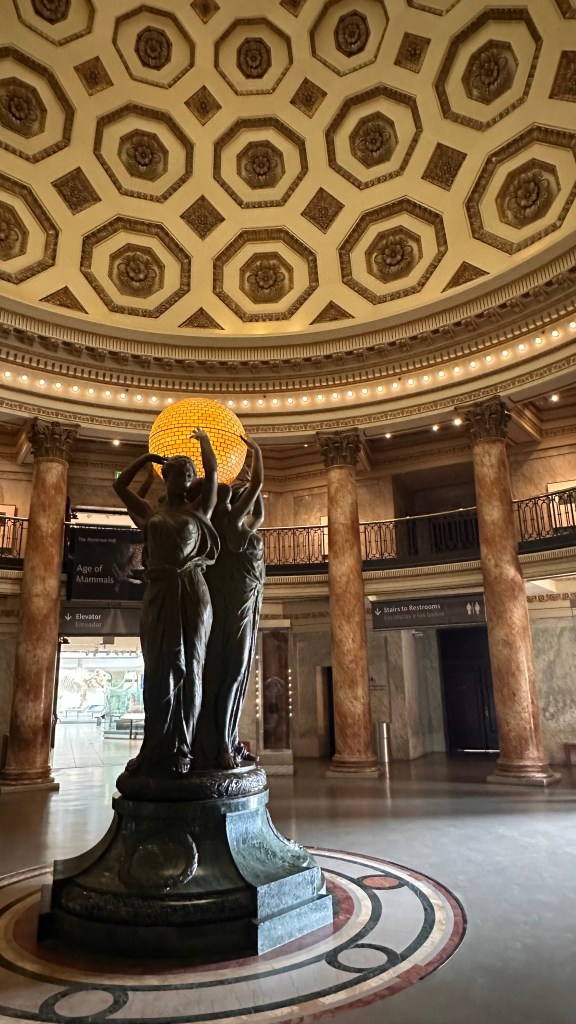
The last 2 days of this week have definitely been very different from every other day I’ve been at USC AYA. While walking through the exhibits at the Natural History Museum, I imagined the effort that went into each and every piece. Much like the work we put in while creating mediums like producing a newscast, which I experienced firsthand while working in the Annenberg studio for the first time. These experiences have allowed me to “get in the feels” of being an actual journalist, someone who not only wants to use media to help others but also appreciates every story out there.
Works Cited:
Hobbs, R. (2017). Digital Audio and Podcasting
Liao, Katherine (2024). When The Devil Smoked In Paradise
 Communicating Change