Walking into AYA for the parent-student orientation was surprisingly delightful. As soon as I stepped through the doors, I saw they had provided us with a spread from Alonti’s. There were trays of yogurt topped with crunchy granola, bowls overflowing with a variety of fresh fruit, especially my favorite, strawberries. Alongside veggie burritos, warm muffins, and cartons of refreshing orange juice and coffee. Being a vegetarian, I really appreciated how they made sure there were veggie burritos that suited my preferences, and it was reassuring to see that they had thought about everyone’s tastes and dietary restrictions.
Each of us received a tote bag with the USC Annenberg logo, packed with a notebook, a highlighter, a pen, and a water bottle. It was clear that they made sure all of us were prepared and comfortable, and overall, the first day felt very welcoming. The morning flew by, and we got to meet a woman who shared her story of working for the New York Times, which I found very engaging, and it was nice to hear her story of how she became independent.
My first week at AYA has been all about diving deeper into journalism. We learned a lot about how to structure news stories and grab people’s attention right from the start. We started off by breaking down facts into the classic “Who, What, When, Where, and Why,” plus the “How.” We also got into different types of ways to start a story, like packing the most important information into one sentence, using interesting stories to hook readers right away, and painting a picture with words to transport readers into the story. One thing that stood out to me was the nut graf, which is basically the part of the story that tells you why you should care. It connects the lead to the rest of the story and explains why it’s important right now, and tells you why it’s worth reading. We also learned about organizing stories in a way that makes them easy to follow and understand. It starts with introducing the problem, then explaining what it means and what might happen next. They call it “Look, Uh-oh, What the experts say, What the future holds, and What it all means,” and it helps you see the bigger picture. Finally, there’s the inverted pyramid, which is where you put the most important information at the beginning, so even if someone only reads the first paragraph, they get the main point. I think it’s perfect for breaking news when you need to get the facts out fast.
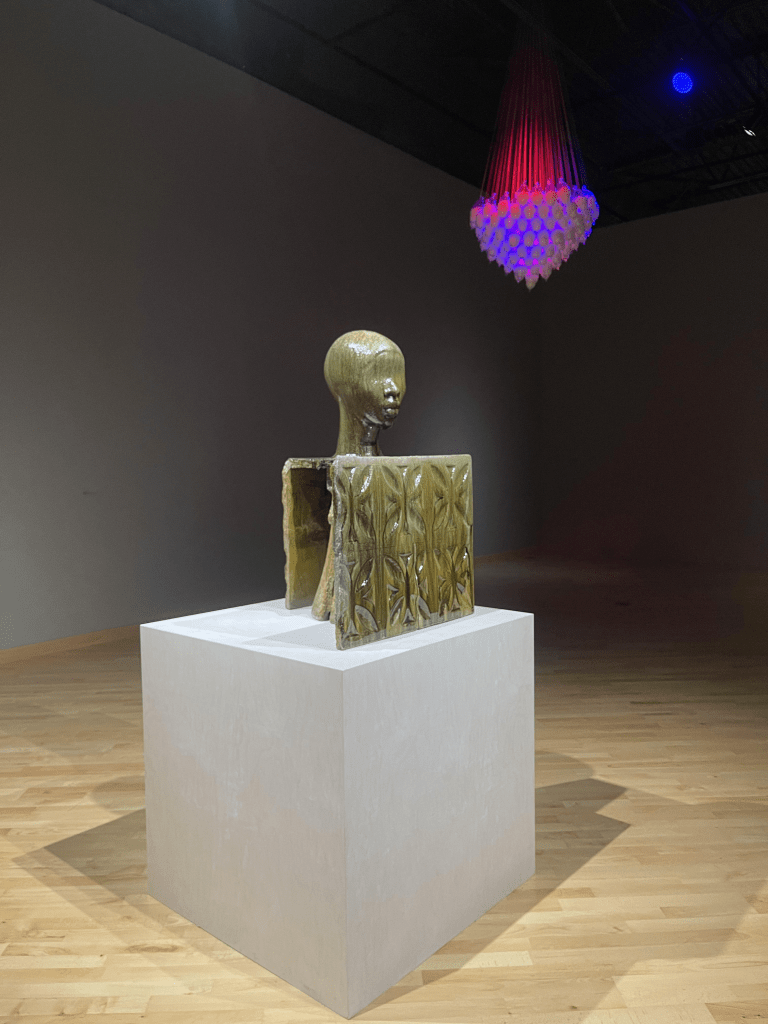
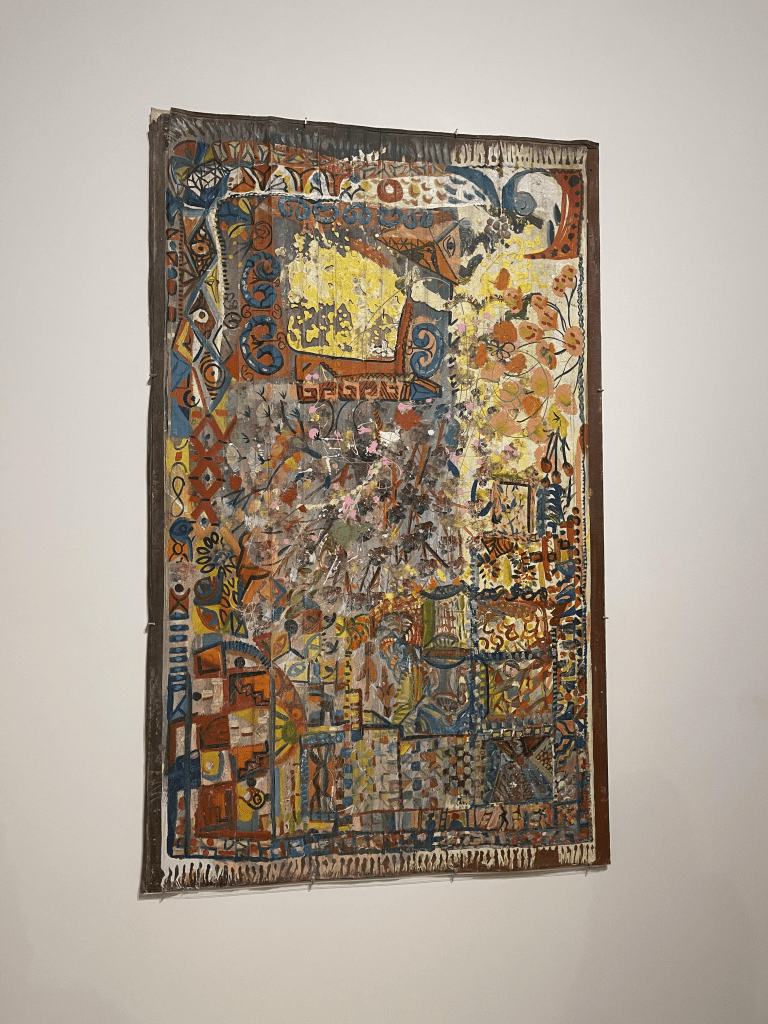
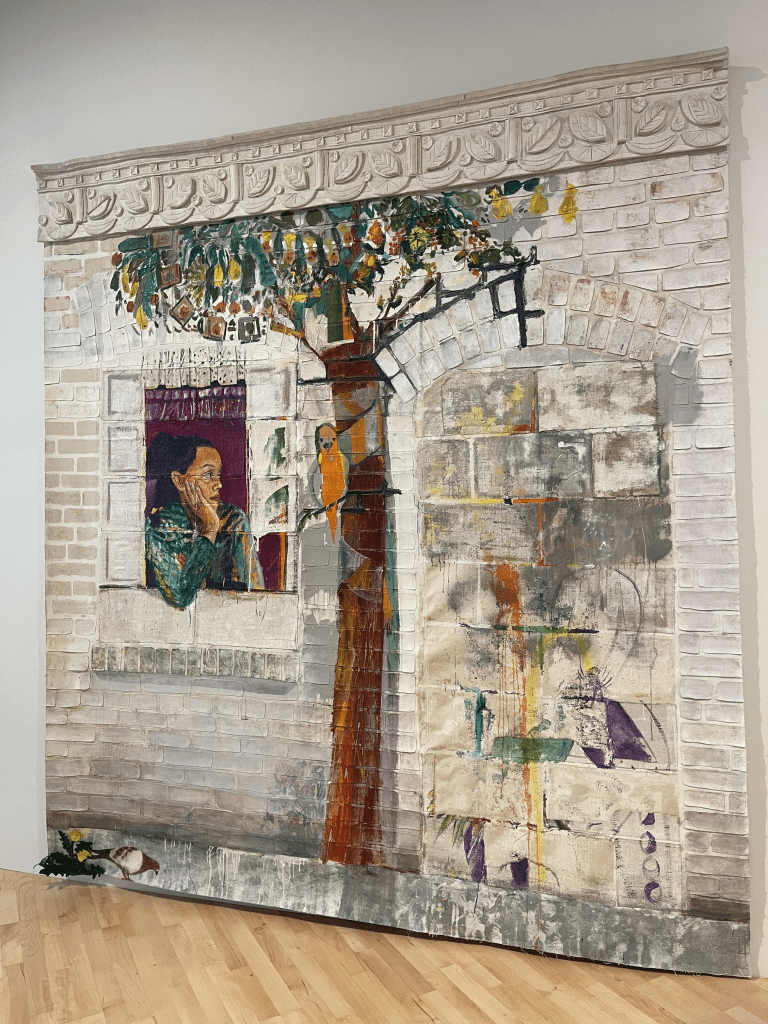
On the last two days of our first week at AYA, we were taken on two field trips! First, we visited the California African American Museum (CAAM), where we saw incredible exhibits about civil rights and African American history. It was nice to get to see the art, paintings, and sculptures, but the paintings by Paula Wilson were my favorite. The next day, we went to the Japanese American National Museum (JANM), which was really eye-opening, as we saw firsthand the challenges Japanese Americans faced during World War II, and it made me reflect back to history and justice. The most striking part of that museum was seeing the remains of the camps. It was incredible how the people decided to come together as a community, just to preserve what was left of those camps. The reason for this was to show people how strong the Japanese spirit was, and it represented all the horrors they endured.
 Communicating Change