So all it takes is rolling up my sleeves. My mind before walking into Annenberg was riddled with doubts, worries, and anxiety; my legs felt paralyzed and practically melted into the floor. But I rolled up my sleeves, opened the door, and took a deep breath – of the most delicious smelling hot coffee and warm bagels. Yes. The best welcome to what turned out to be the best week.
While stuffing myself with breakfast, I looked around the room and realized I was surrounded by an extraordinary group of peers from diverse backgrounds who had many deep thoughts and unique perspectives to share. I had never been exposed to so many different walks of life before, and I was eager to learn from everyone. Our discussions led by professors Allan Lopez and Rogelio Lopez challenged me to view communications and journalism beyond my basic conceptions by exposing me to many new experiences.
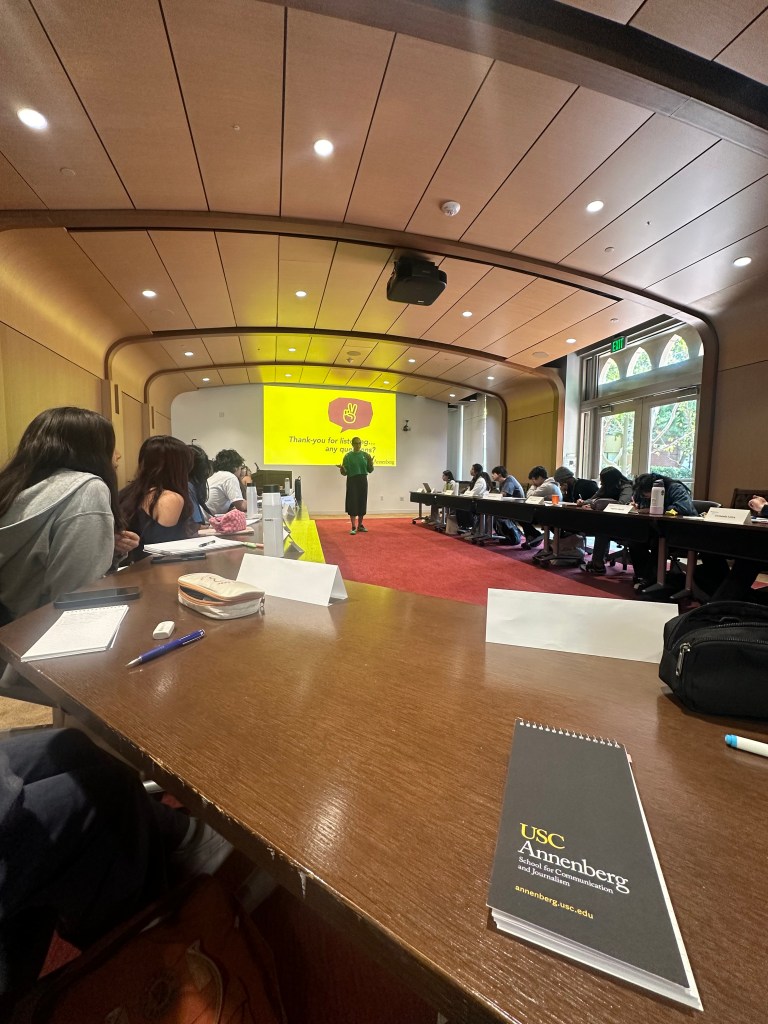
I had entered a vibrant agora, filled with stimulating conversations on civic involvement and media. As I stepped into AYA, it taught me that political involvement calls for the use of both conventional methods, like voting, and non-conventional ones like community organizing and grassroots activity. We discussed how important it is for people to become involved in the legislative process, likening it to playing a game instead of simply watching it. In short, people just need to roll up their sleeves. Like a lighthouse guiding ships safely to port, my understanding of how the media forms and reflects how civic activity has grown, making individuals more involved in their communities.
The program further cultivated my appreciation for participatory and justice-oriented citizenship. Like sowing seeds in rich soil, participatory citizenship emphasizes the importance of being involved in local concerns and decision-making processes by engaging the active participation of people in civic matters and “enhanc[ing] commitments to the kind of civic engagement that will ultimately strengthen our democracy.” (Westheimer and Kahne) On the other hand, justice-oriented citizenship necessitates both an unwavering desire to confront and address inequalities as well as adopt a critical perspective through which to study them. This dual strategy, which is compatible with a balanced scale, stoked my political curiosity and inspired me to take a more active role in promoting justice and fairness in my community.
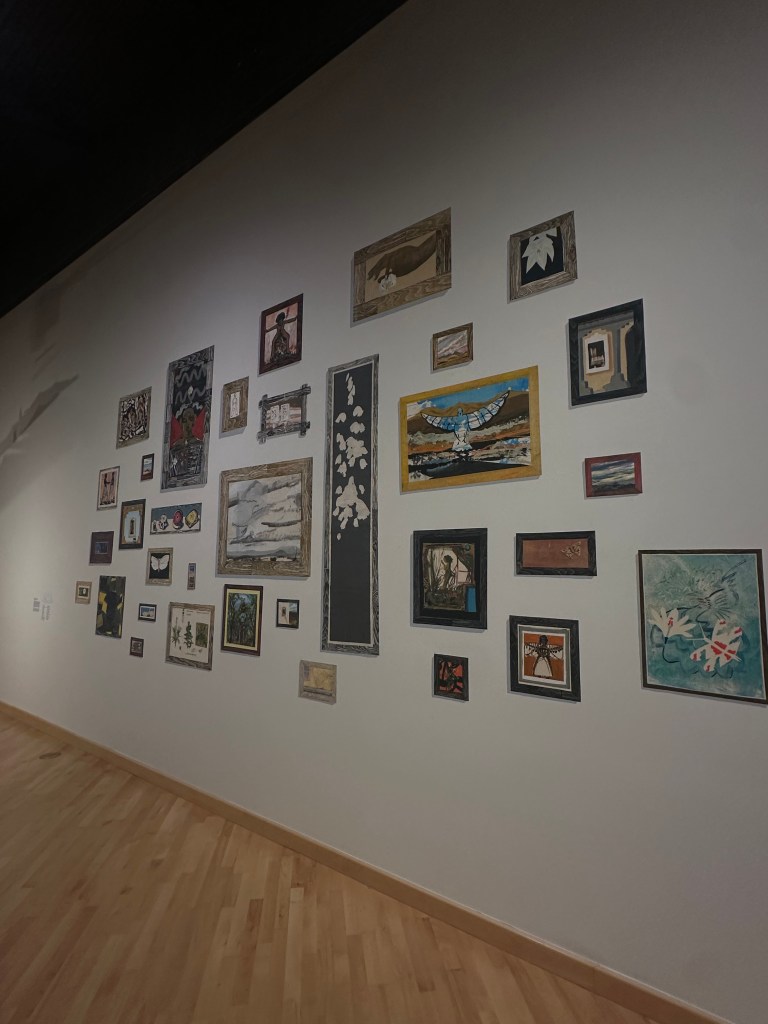
I saw the application of justice-oriented citizenship in real life during the class’s trip to the Californian African American Museum (CAAM). Our class visited the museum on Juneteenth, a celebration of the end of slavery. We saw Fly On, Little Wing, a work of art by Paula Wilson which reminds us to bring our past with us to our future. The butterfly I saw in the art symbolized freedom. In the CAAM, on this day, there seemed to be a theme of freedom present everywhere I looked. We then stepped into a different exhibit where we saw a woman expressing her emotions and telling stories vocally through song. I felt connected to the sadness yet power in her voice. Witnessing these exhibits on Juneteenth connected back to this idea of justice-oriented citizenship; both artists confronted ideas of freedom and the troubles of their past on a day meant to celebrate and honor freedom for African Americans. It was inspiring to witness.


From our in-depth class discussions to real-life examples of community heroes, I learned that what it takes is to roll up our sleeves. Exploring the root causes of social problems and jumping into politics that can make a change. Take a lens into our history and then point it at our present culture. Even a nervous, hungry teenager can roll up her sleeves and make a change. After her morning coffee and bagel, of course!
 Communicating Change