
Written by: Allison Chavez
On Thursday June 20th, 2024, our Trojan family visited the Japanese American National Museum. We explored the rich history and culture of the Japanese Americans dating back to the late 1800’s. The museum continues to highlight World War II, early immigration, post-war resettlement and the redress movement. Following, we visited a traditional ramen restaurant, exploring the authentic flavors and shops in Little Tokyo.
Journey Back in Time
Entering the museum, the AYA cohort was presented with an amazing volunteer, Patricia Shoda, who emphasized the importance of the journey of Japanese immigration during World War II. She highlighted how after the attack on Pearl Harbor in 1941 Japanese Americans were victimized without any sort of evidence. As shown through President Franklin D. Roosevelt’s Executive Order of 9066, the military was given the authority to exclude anyone from a specific area, and even though they were not included in this order, Japanese Americans were targeted.
As a result, these groups of people were forced to concentration camps while others willingly fought in war. As she discussed, these camps were beautiful from above in the mountains however, when you’re living in these camps for more than 90 days, these houses in the middle of the mountains are torture. The camps were freezing, surrounded by barbed wire, and each house included a coal-burning stove and a cot for the family. Although those in the camp attempted to create a sense of community, the camp was never a place of enjoyment. In 1946, the last concentration camp was closed through the Civil Liberties Act, providing twenty thousand dollars to all Japanese Americans as reparations for their horrible treatment.
Overall, my experience at the museum was highly informative and enlightening. I am extremely appreciative for the opportunity to engage with fourth-generation Japanese Americans and gain insight into their diverse perspectives and stories. Immersing myself in their culture, and understanding the challenges faced within their lifetime has truly left a lasting impression on me. It has highlighted the importance of ensuring that history does not repeat itself, more specifically in the way that an ethnic group faces unjust targeting and victimization. This visit to the historical museum has reinforced my belief in working together as a society to prevent such injustice from occurring once again in the future.
Little Tokyo
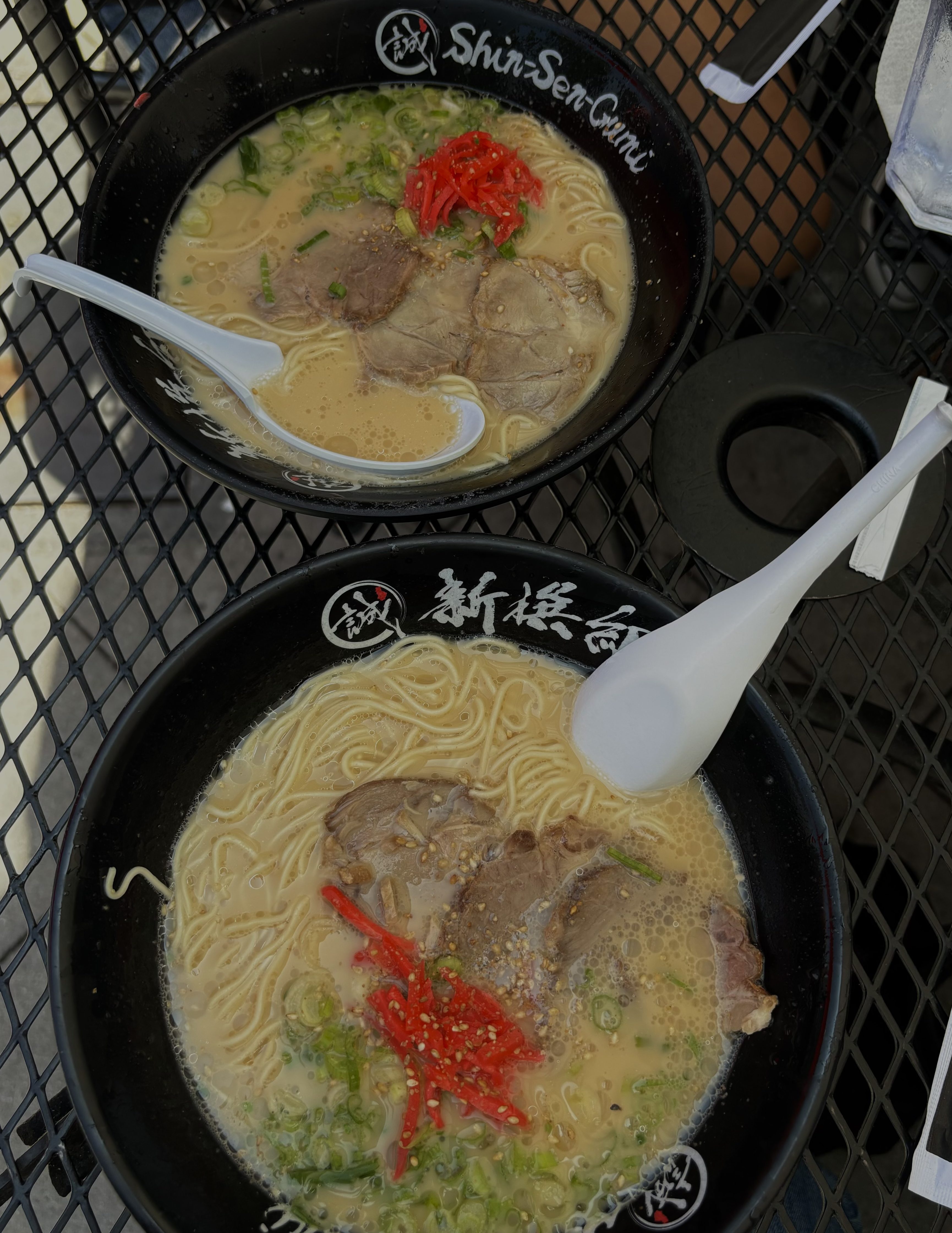
After our enlightening visit to the historical museum, our cohort explored the Little Tokyo district, beginning with the Shin Sen Gumi restaurant. I decided to try the traditional Hakata ramen for the first time, and highly recommend it. My fellow Trojans assisted me in using chopsticks and although, it was embarrassing not to have known this essential skill before, I was grateful for the guidance.
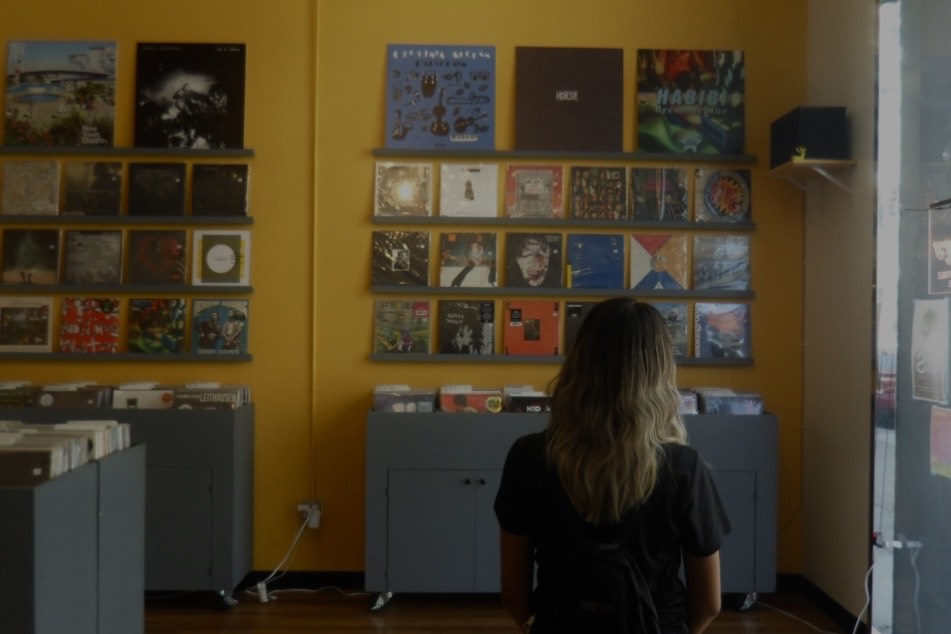
Our group had the pleasure of being guided by Adrian, an expert on all things Little Tokyo. He showed us each hidden gem possible during our time there. We first visited, Going Underground Records, which was a very retro shop, filled with records. We continued to explore a range of diverse shops, including a Japanese authentic denim store, markets, skate shops, and many other intriguing stores. It was a fantastic experience that allowed us to fully appreciate the richness of Little Tokyo’s offerings.
Overall, the first week at the Annenberg Youth Academy has been extremely informative and I am grateful for every opportunity presented to me. The engaging and insightful classes led by Professor Alan Lopez and Professor Rogelio Lopez have left a profound impact on me. I am certain that the knowledge and skills gained these next three weeks will continue to benefit me throughout the rest of the program and further through my college journey. I am excited to see what our Trojan family will do the following week and meet all the wonderful guest speakers. Looking forward to seeing you all next week! ❤
Works Cited:
 Communicating Change