
Astha Munot
All of today, the same question echoed in my mind over and over again: What had I really taken away from AYA? It was a wonder. I had taken away a wonder of this new world of knowledge I had no idea existed. It was a wonder for all of these things, ideas, and people that had never crossed my mind.
Who knew communication meant so much more than just “talking to one another”? I had grown up learning that communication was people interacting with other people. However, it wasn’t until this class that I learned the significance of the word “interacting” held in that definition. Interacting incorporated the author’s creating messages filled with meaning, also known as encoding. Then the recipient receiving this message takes it apart or decodes it to understand it and further uses that to become the author encoding a message for the former, also known as decoding. Moreover, there were multiple degrees of decoding, or the degrees to which the recipient understood or chose to understand the meaning of a message. That led me to think this whole process is completely automatic, so it was not something I had ever given a second thought. However, seeing it broken down this way, I was struck by the realization that this exactly described communication.

Another huge piece of this wonder was the idea of Critical Media Literacy. It was especially the little drawing Professor Lopez had shown to us about being “spoonfed” by media and the clip from the movie They Live. Critical media literacy was a topic I was aware of; however, I had always ignored it. People around me were always telling me stuff like “They just want you to spend your money!” or “They are just trying to get you to like that person.” I always ignored these comments, thinking, “It’s just a TV, what’s the worst it could do?” But these people were right—all of these pieces of media were influencing my beliefs on gender stereotypes, body stereotypes, and racial stereotypes. However, through this wonder, I understood the main motives behind all of this media; that lecture had become my lens for viewing the media around me, as the man had through his glasses.
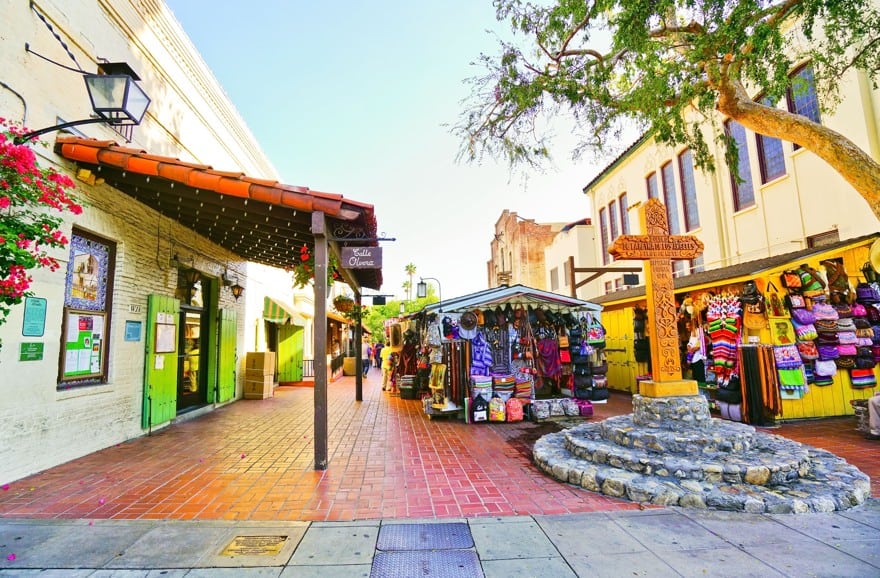
Furthermore, it wasn’t just these lectures, readings, and assignments that made this AYA a wonder. It was also the experiences and the people. I think one of my most significant memories is from Olvera Street—walking around, learning about all these people’s stories. It was insane that some of the vendors on Olvera Street had families that had owned the store for over nine years.
However, the most inherent element of this wonder was the people I met. Not only the guest speakers, who each brought a different experience and a fresh view, but particularly the students. At AYA, I was most inspired by the students. All of them came from different backgrounds, races, and cities, and everyone brought that with them and used it to share their thoughts, beliefs, and ideas. Every time Amaris or Evelyn spoke during our Communications class discussions, I found inspiration. However, it wasn’t solely limited to them. Every participant who contributed to our facilitated conversations challenged me in various ways, particularly when we delved into important topics and shared personal experiences. These conversations provided a space to discuss crucial subjects that I had often avoided but needed to address.
Ultimately, I am wholeheartedly grateful for the privilege of being a part of this wondrous experience at The University of Southern California Annenberg Youth Academy.
 Communicating Change