Colleen Ballinger, known for her online character Miranda Sings, has been surfacing the headlines becoming a controversial “idol” to her young audience.
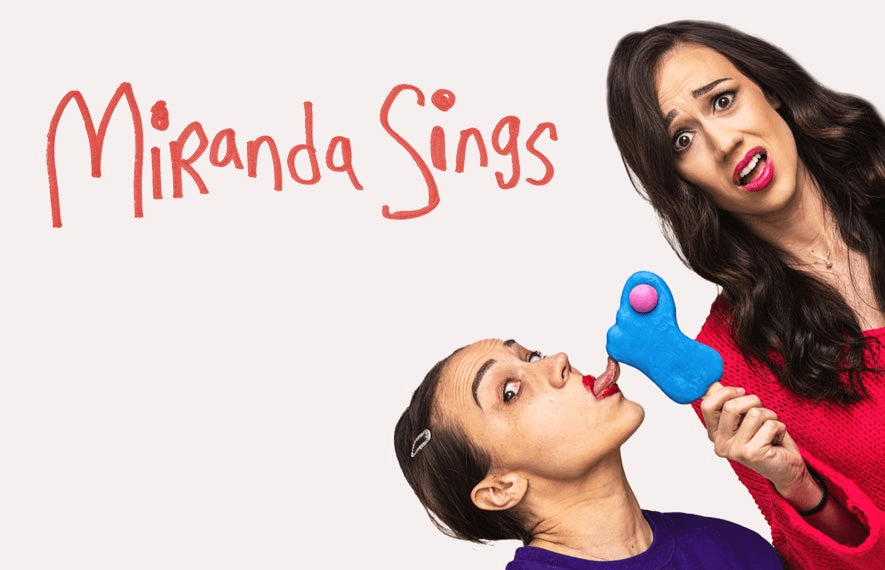
With her unmistakable red lipstick and exaggerated mannerisms, Miranda Sing’s image became instantly recognizable. Her influence extended beyond the digital realm, as she ventured into television, film, and even publishing, solidifying her status as a multi-talented entertainer. With her infectious quirky personality, Miranda Sings remained an enduring and beloved figure in the entertainment industry, particularly with a young audience. But recently, the truth behind her persona has been revealed, shedding light on the darker side of Miranda Sings.
Para social Relationships
Para social relationships is a one-sided relationship that is often formed with a celebrity or other of high profile figure, in which you wouldn’t interact with in real life. As her previously celebrated image has took a turn, Colleen Ballinger was heavily scrutinized for grooming and manipulating her underage fans. It’s been revealed that Miranda engaged in inappropriate and explicit conversation with young children. These revelations have left many fans feeling deeply betrayed by someone they once idolized. In response to such backlash, Colleen posted a video that was supposedly supposed to address her wrongdoing and apologize. However, it was a dismissive approach. As she sang a song, disregarding the valid grievances expressed by her audience, she fueled anger labeling the truth as “toxic gossip”.
These recent news surrounding Colleen Ballinger have raised important questions about the nature of para social relationships and the responsibilities these influencers have when they hold such a grasp on the media world. Her situation serves as a stark reminder that behind the carefully curated online personas, there can be hidden truths and the potential for abuse of power.
Cancel Culture

Cancel culture, a recently formed term, generally defines asocial phenomenon of publicly shaming individuals. The controversy surrounding Colleen Ballinger, sparked heated debates, as some argued that canceling Miranda was justified, given the serious allegations of grooming, manipulation, and exploitation. They believed that holding influencers accountable for their actions is essential for creating a safer online environment. Others, however, criticized cancel culture for its swift judgment and lack of nuance, suggesting that it often fails to consider the possibility of growth and redemption. The situation with Miranda Sings highlights the complexities of cancel culture, as fans grapple with conflicting emotions and their own personal connections to the persona.
For the final project in Communications class, my group and I decided to focus on this issue for our comic strip. These kinds of situations may often be ignored and not as publicized and broadcasted as others, yet their impact on individuals and communities is significant. With the rise of technological advances and the ever-expanding reach of media, it’s even more important to address the complexities that arise in engaging with diverse audiences from various backgrounds. Many people may not even realize what para social relationships are, but they are a real and pervasive phenomenon in today’s society. Through our comic, we aim to shed light on the nuances of these relationships by exploring their effects. Miranda Sings is just one of many examples of para social relationship and cancel culture. Through this short project, we hope to raise awareness and encourage a more thoughtful approach to media consumption and the cultivation of healthier and more authentic connections in the digital age.
 Communicating Change