
My eyes watered as I heaped fluffy, steaming scoops of white rice onto styrofoam plates. My nose scrunched as the pungent smell of garlic and red chili peppers soured the air I breathed. Everything, from my arms to my legs burned at the end of each day at Ho-Ho China. Yet, I had never felt so comfortable, so at home in my life.
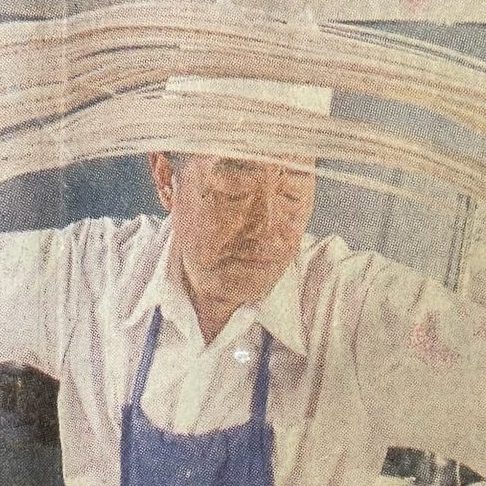
After immigrating to the United States in 1981, my mother’s family found their home — their own little Chinese Busan, South Korea — in Riverside, California. It was through the restaurant business that they were able to protect their heritage and integrate into America. Through the diverse customers — Latinos, Whites, Blacks, Natives — they encountered every day, my family gradually learned the language of their new country. They didn’t need to be eloquent enough to become literary scholars, just enough to pass by and say “thank you” to their customers. My mother’s family still practiced all of their traditions even after moving to America. My grandfather would pray at a makeshift Buddha temple every morning, and the family would survive on cold, cheap meals just like the ones they had in Korea. Even though they were thousands of miles away from their home, it was almost like they were at home, just with the new label of “an American.” Poverty-stricken and working jobs even more laborious than ones in Korea, my mother’s family was happier than ever. In the United States, they could be proudly Asian.
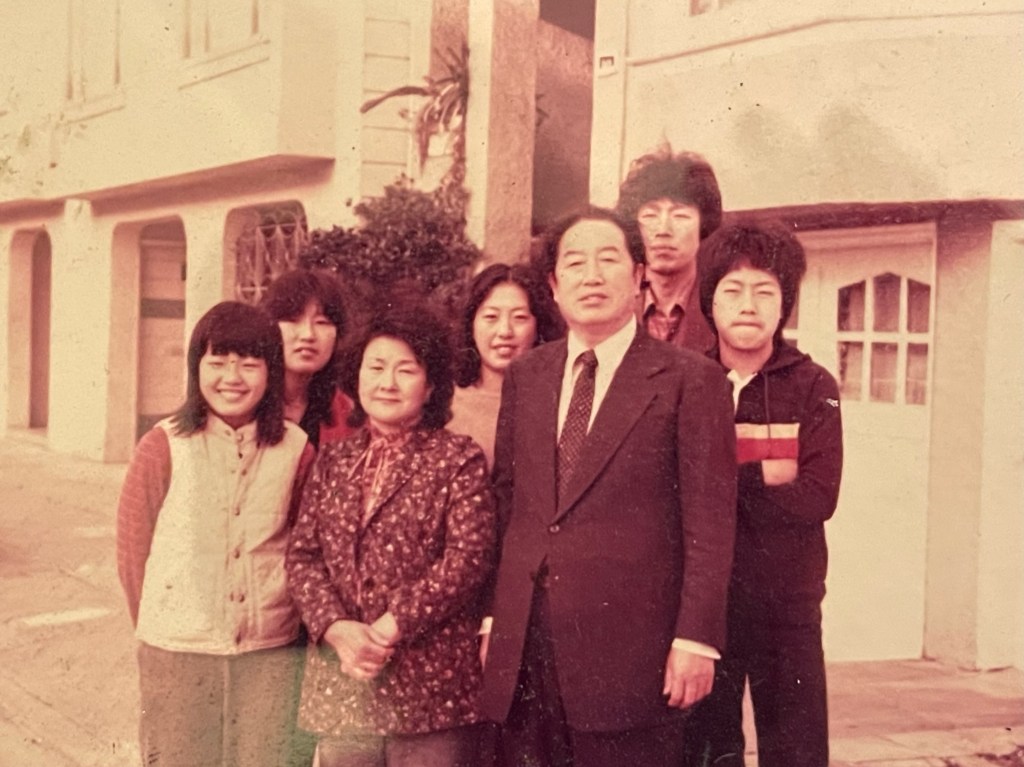
What I’ve never been able to understand is that even with so much resistance and racism — more resistance than I face now — my family always seemed to embrace and love our Asian heritage more than I ever have. It makes no sense, because today, the Asian American community is more accepted and represented in America than ever before. Yet sometimes, this growth only makes me want to shrink smaller and smaller.
It’s not like I hate my Asian heritage in an avert or grotesque way, it’s in the little things that I do. It’s in the eyeliner I wear every morning in an attempt to give myself a double eyelid and make my eyes look less like an almond or fox shape. It’s in the hairstyles I request at the hairdressers, begging for miraculous layers and texture that don’t exist in my naturally straight Asian hair. It’s in the way I wish I was beautiful, but by beautiful I mean blonde hair and blue eyes. It’s in the way that I hate who I am.

People typically assume these feelings of internalized racism stem from the hate of other cultures. In my experience, and in my family’s experience as in Korea, the hate often comes from our own Asian community. It was a Chinese-American third-grader for me.
The bus had just made it to Chinese School when my friend’s sibling leaned over the bus seat. She was laughing and laughing in this wicked voice, a voice that I didn’t expect a third-grader to have. I didn’t understand what was funny so I just laughed, desperate to fit in. She giggled as she took two fingers on both hands and lifted the corners of her eyes, creating a “slanted eye look.” I knew where this was going, but I didn’t want to believe it. She giggled as she mocked me, asking “Why don’t you have any eyelashes, and why are your eyes so small?” My childish, toothless grin gradually faded. There was no sense of remorse in her voice, no childish oblivion — it was pure hate. I didn’t know such hate existed until that day.
I cried that day in the afterschool restroom, and I still cry over it to this day sometimes. No matter how many times I look in the mirror and tell myself I’m beautiful, no matter how many compliments I receive from other people, in my heart I know that my Asian features will never be enough. They aren’t even enough for the Asian community.
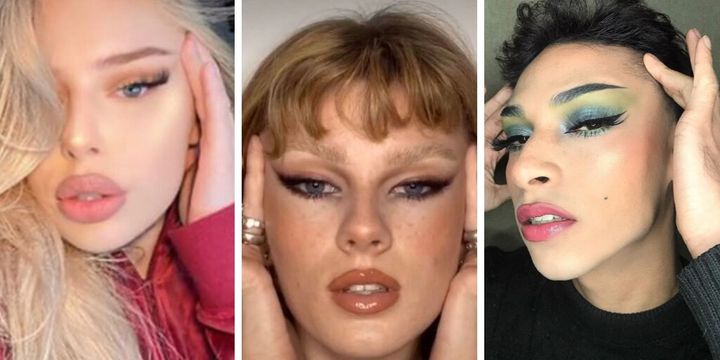
When Asian culture suddenly became a trend a few years ago, with Fox eye tutorials and the sexualization of traditional Chinese dresses [旗袍], I complained. It wasn’t fair. How could my culture, my traits — the same traits that I spent years hating — suddenly become the new hot trend everyone loved? Why were they allowed to take all the traits, yet face none of the hate? It was in this era of “Asian appreciation” that I began reckoning with myself. What was the point of continuing to loathe myself? If everyone was loving Asian culture, why not take advantage of the moment?
To some extent, the widespread adoption of Asian culture helped me embrace it more. Not only did I live in the self-proclaimed “Asian Bubble,” but now I also saw my people and culture in digital media. In a weird, almost ironic way, I began to reclaim my culture and insecurities. Suddenly, I missed the Kung Pao Chicken and sweet cream-cheese rangoons at Ho-Ho China — dishes that I would scrunch my nose at around American friends. I waited impatiently for holidays like the Mid-Autumn Festival and Tomb-Sweeping Day. I longed to visit Taiwan, Hong Kong, and China to see where my parents grew up. I missed everything that I had turned away from for so long out of fear that it would make me less American and simply too foreign. I began to appreciate my Chinese heritage again for the first time since that fateful day in 1st grade.
I wonder what my grandfather would think of me now. The last time I worked at Ho-Ho China, I was 10 years old and I was in my Princess and Tiaras tutu phase — not very Chinese to say the least.
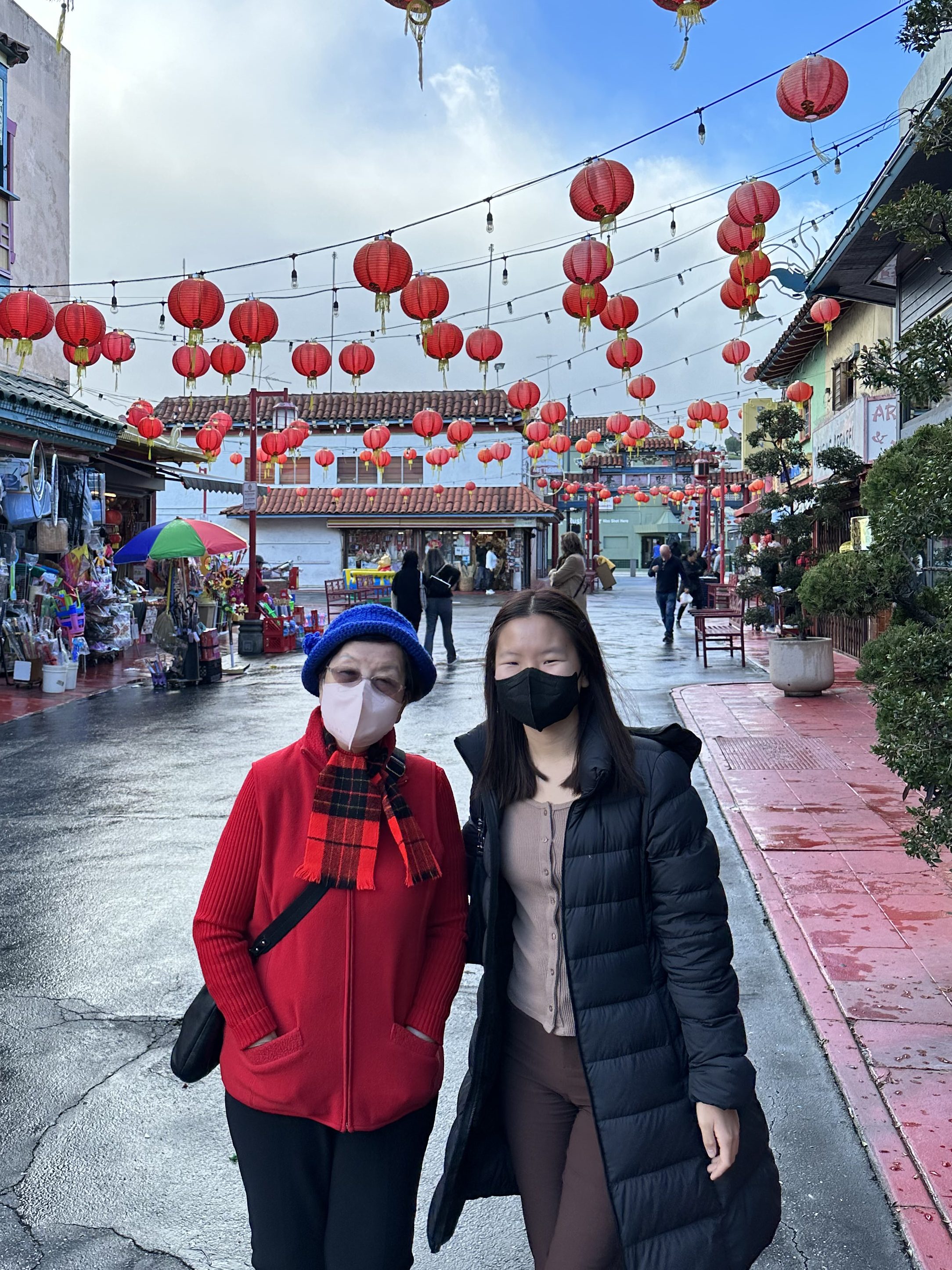
I like to think I’ve changed since then. Today, I seize every opportunity I get to venture around the San Gabriel Valley and try all the authentic Asian restaurants. I speak fluent Mandarin and my American accent is gradually receding, though it is still poor to the point where I can’t get good bargains at San Francisco Chinatown street markets. I even wear the jade jewelry and pearls my grandmother gifts me instead of storing them away in a box within my closet. I’m still not perfectly, 100% fully immersed in my Asian culture. Truthfully, ’ll never be. Even then, I am more proud to be an Asian than I have ever been.
Ho-Ho China was sold to another family a few years ago, and I haven’t returned since. Even though I am 50 miles away from the familiar smells, tastes, and people that defined my childhood, I still feel at home today. I find my Asian community in Arcadia, the San Gabriel Valley, and even online. I will admit, I am still very heavily whitewashed with my intolerance for numbing spice (mala) and obsession with Panda Express Chow Mein. For the record, Panda Express is not real Chinese food and no one can argue differently. Yet, as I slip out of my shoes at the door when I return home and fight aggressively over the check, I see hints of my Chinese culture shining through everything I do.
I’ve never felt so at home.
 Communicating Change