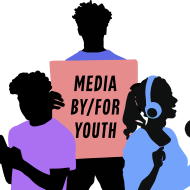
Week 3 at Annenberg Youth Academy communications class was an exciting and enriching experience. We learned about media literacy and how important it is to report news accurately and responsibly. Communication and identity are closely connected. The way we communicate can shape our identity, and our identity can influence how we communicate. For example, if we speak different languages, we may have unique ways of expressing ourselves. It’s exciting to learn about different cultures and languages because it helps us understand and appreciate the diversity in our world. Race and identity play significant roles in shaping society. People from different racial backgrounds have unique experiences, perspectives and challenges. One way race and identity impacted the modern world is through social justice movements. People are advocating for equal rights, opportunities, and treatment for all individuals regardless of their race or identity. Movements like Black Lives Matter aim to address systemic racism and promote racial equality. These movements have sparked important conversations about race and identity, encouraging society to reflect on its biases and work towards a more inclusive future. Media and representation also play a crucial role in shaping perceptions of race and identity. In the modern world , it is important to have diverse representation in movies, tv, shows, books, and other forms of media. When people from different racial and ethnic backgrounds are portrayed positively and accurately, it helps challenge stereotypes and promotes a more inclusive understanding of identity. The modern world is witnessing a rise in conversation about intersectionality which recognizes that people have multiple aspects to their identities such as race, gender sexuality and socioeconomic status. Intersectionality helps us understand that individuals can face overlapping forms of discrimination and oppression. It reminds us to consider the complex ways in which race and identity intersect with other aspects of a person’s life. In the past traditional gender stereotypes were commonly reinforced through media portrayals. Men were often shown as strong, assertive, and dominant. While women were depicted as passive, nurturing and focused on their appearance. These stereotypes limited the range of roles and opportunities available to individuals based on their gender. In the modern world, there has been a shift towards challenging gender norms in the media. Strong female characters are being featured in movies and TV shows, breaking the stereotype that women are always in need of rescue. Similarly male characters are being portrayed with a broader range of emotions, challenging the notion that men must always be tough. Media plays a crucial role in shaping our understanding of gender. By challenging stereotypes and promoting equality, the media can create a more inclusive and empowering environment for all individuals, regardless of their gender.
 Communicating Change