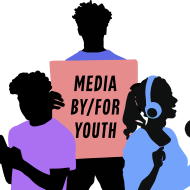
Week three at USC Annenberg Youth Academy flies by quickly due to the Fourth of July holiday, Independence Day. The program is also coming to an end. As the program’s third week is short, we only get to the lesson about critical media literacy. All races, education, gender, language, social class, etc., are essential in the media society. Moreover, critical media literacy allows us to identify and evaluate the misinformation that media is public to the community since much of the information in social media can be natural or fake.
Based on Kellner and Share in 2007, “Critical Media Literacy…” focuses on ideology critique and analyzing the politics of representation of crucial dimensions of gender, race, class, and sexuality, incorporating alternative media production; and expanding the textual analysis to include issues of social context, control, and pleasure.” In my opinion, critical media literacy means for a high school student to encourage people to develop necessary thinking skills such as asking questions, analyzing arguments, reasoning, etc. Thus, people can learn how to distinguish fact from opinion, assess the reliability of evidence, and avoid being biased and misleading. All the advertisements we see today always have an actual meaning behind the brand. The movie “They Live” perfectly demonstrates that all advertisements containing commercial media information are organized for profit. As the men wear the power of the sunglasses, he sees the advertisement’s real motive and meaning; all these advertisements shown to the public will send the message differently to different people based on their experience.
According to the Critical Media Project in 2023, “Media Literacy is the ability to access, analyze, evaluate and create media in a variety of forms.” Media literacy can identify and understand the difference and distinguish the message that the media want to send to society. There are five core components to media literacy: access, analyze, evaluate, create, and act. Each of these five core components of media literacy has distinct focus areas contributing to understanding media impact. Media literacy makes individuals more skeptical of what they encounter in the media.
The way media content is created, presented, and perceived is significantly influenced by gender, race, culture, language, etc. The critical role of media literacy is to help individuals recognize and analyze how these influences shape representation and narrative in the media—the effects of structuring societies in past systems in which certain people were treated unfairly based on race. Gender plays an essential role in the media, affecting how people are portrayed, their roles are positioned, and gender issues are still presented. At the same time, race and cultural backgrounds also play a massive role in creating and presenting media content. The perspectives, values, and experiences of different races and cultures profoundly impact how media is expressed and told.
Overall, these past three weeks in the communication course have been incredible. Unfortunately, we only have one week until the end of USC Annenberg Youth Academy. It’s a beautiful experience to have the ability to take an adventure in first-year college classes and have a short college life at USC.
 Communicating Change