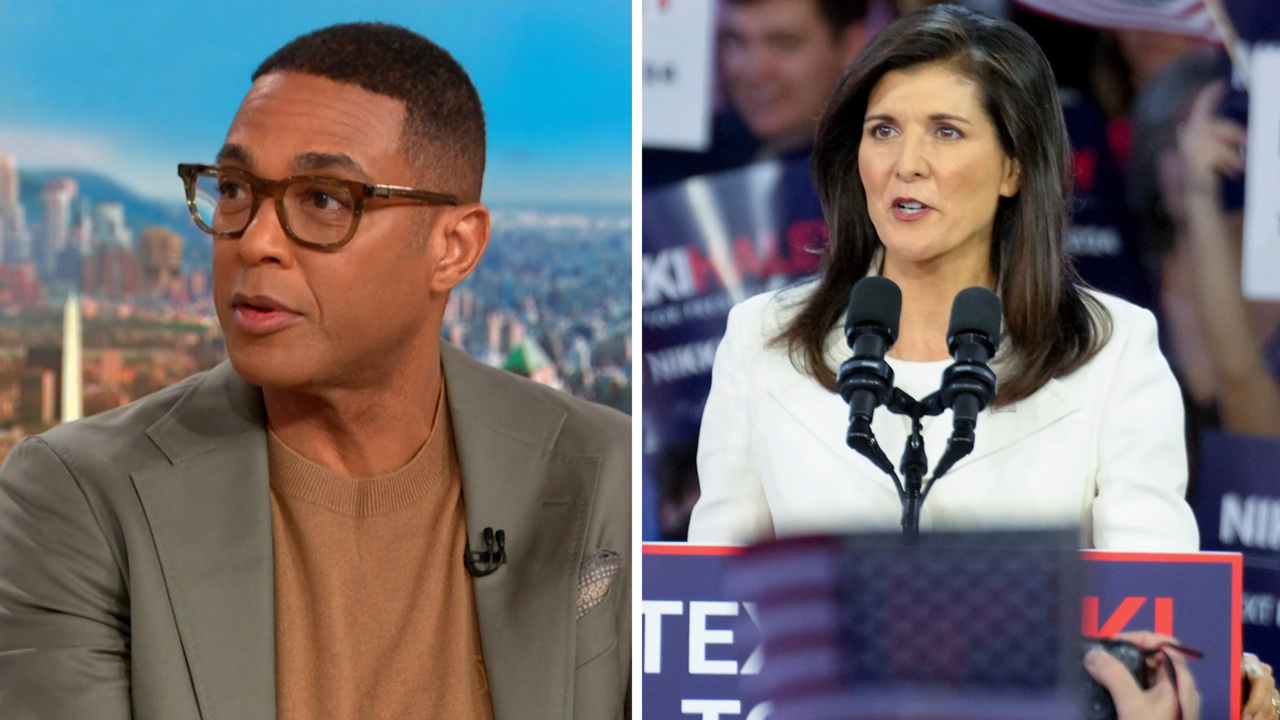
Past CNN anchor criticizing 2024 GOP candidate Nikki Haley
When is a woman past her prime? To Don Lemon, a woman is “considered to be in her prime in her 20s and 30s and maybe 40s” (Lemon, 2023). It seems like CNN made the right decision to fire Lemon from his longtime job as a news anchor. After all, at age 57, Lemon is, by his own definition, most definitely “past his prime.”
All jokes aside, Lemon’s comment referring to former South Carolina Gov. Nikki Haley’s announcement for candidacy for president in 2024 was not only incorrect, but simply sexist. Considering that Haley, age 51, will be running against a man in his late 70s in the primary [Former President Donald Trump], the double standard is appalling. Women are continuously slapped with expiration dates for their success, whereas men can seemingly be rolling in their gravestones and still be “in their prime.” In the 21st century, with arguably some of the most progressive movements and generations the United States has ever seen, why has journalism still lagged behind? Why are we still normalizing sexist, discriminatory rhetoric?

Journalism is versatile but united in the purpose of telling stories
The nature of journalism is rooted in purpose. However, far too often the focus is placed on achieving media literacy, but not necessarily critical media literacy. Critical Media Literacy is defined as the consideration of factors like “gender, race, class, and sexuality” as well as the incorporation of “alternative media production” when creating media (Kellner & Share, 2007). In short, critical media literacy is an empathetic way of creating media that addresses diversity and inclusion. While good in theory, it’s faced great resistance in journalism.
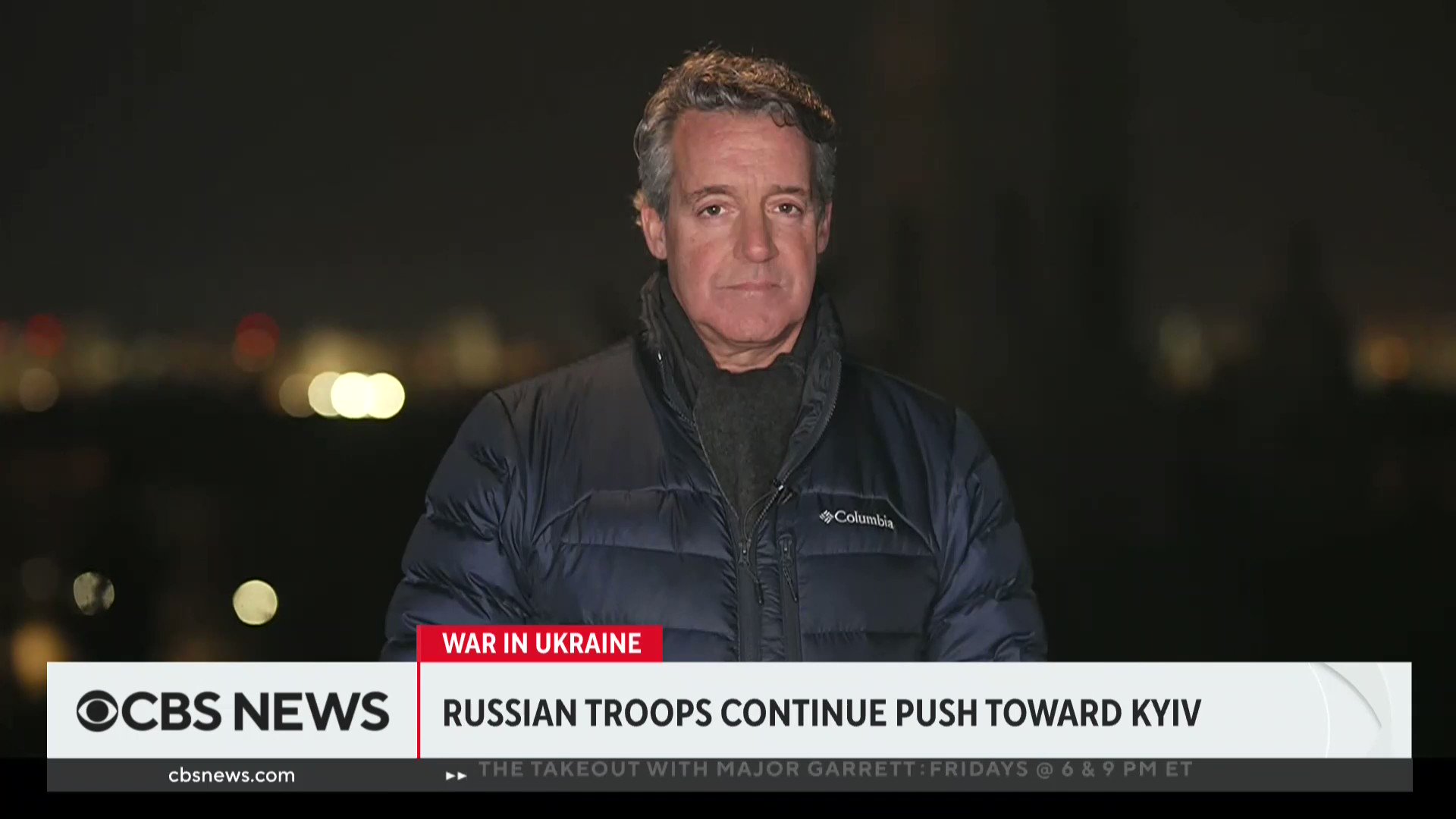
Charlie D’Agata reporting at the start of the Russia-Ukraine War
Namely, when Russia first invaded Ukraine in February of 2022, news anchors covered the story with racist attitudes that reinforced Eurocentrism. As Charlie D’Agata, a senior CBS News correspondent, stated, “This isn’t a place like Iraq or Afghanistan that has seen conflict raging for decades…this is a relatively civilized, relatively European city” (D’Agata, 2022). British journalist Daniel Hannan furthered the double standards by writing “[Ukranians] watch Netflix and have Instagram accounts…war is no longer something visited upon impoverished and remote populations” (Hannan, 2022). News anchors and journalists have simply normalized and degraded violence and conflict ravaging the Middle East — so much so that middle eastern lives and families killed have been dehumanized, summarized into statistics, and largely forgotten. The media’s reaction to war and the loss of life is something that should never be dependent on the color of one’s skin, or where one lives — yet, it unfortunately is.
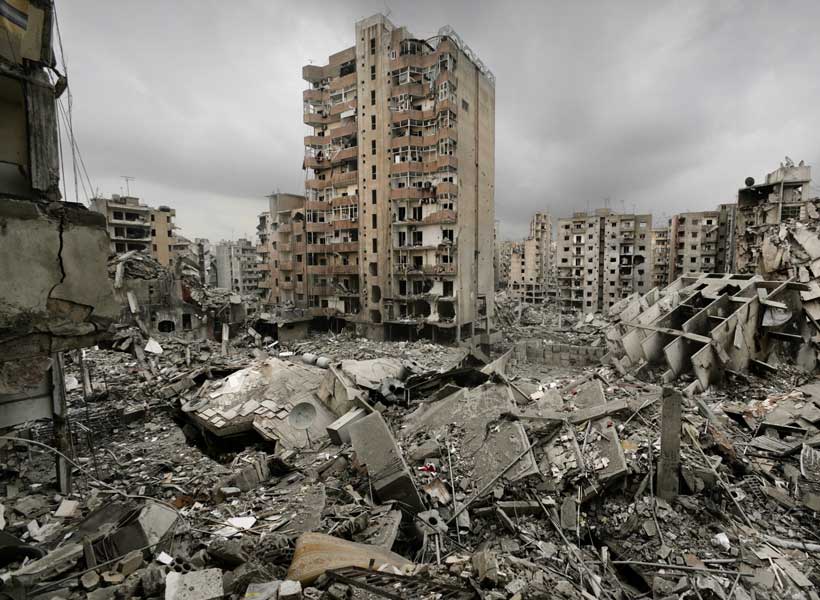
War in recent decades (and also throughout history) has been ravaging the Middle East
As Ahmed Twaij duly noted in an article for NBC News, the entertainment world has a consistent “tendency to take war in the Middle East lightly compared to Ukraine,” creating a phenomenon of “selective solidarity.” After the 2001 US Invasion of Afghanistan, Saturday Night Live performed a war party skit, denouncing Middle Easterns by gleefully singing “No more bearded dudes.” Yet, when the war in Ukraine broke out, there was no happy song, nor jokes made. SNL opened with an emotional prayer from the Ukranian Chorus Dumka of New York. Why aren’t black and brown, and Middle Eastern communities as a whole shown the same level of respect? Why is it that as more lives are claimed in the Middle East, and more settlements are ruined, the media cares less and less?
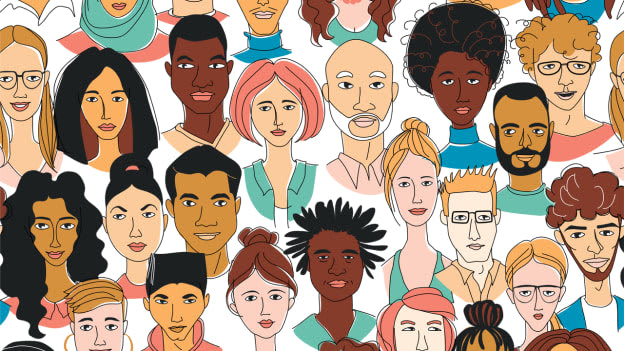
Diversity in media matters
Critical media literacy requires a critical look at the existing discriminatory behaviors that plague journalism. Communities of color, and systemically under-represented groups [LGBTQ, Women, etc.] are reminded each and every day that the media doesn’t view them the same as traditionally dominant groups and that that’s okay. They are reminded that the identity they were born into is something that makes them lesser, and less worthy of quality, fair journalism.
Don Lemon was rightfully fired. Charlie D’Agata, Daniel Hannan, and countless other journalists should be fired as well, because without setting a precedent, we remain complacent with the existing framework of “critical media literacy” in journalism that remains largely ineffective and misused.
Thankfully, unlike Don Lemon’s career, we can never pass the “prime time” to take a critical look at critical media literacy.
Citations
Kellner and Share (2007), “Critical Media Literacy, Democracy, and the Reconstruction of Education.” pages.gseis.ucla.edu/faculty/kellner/essays/2007_Kellner-Share-Steinberg%20and%20Macedo_ch1.pdf
 Communicating Change