Last week in AYA, we touched on how Hip Hop has advocated for social movements and became an avenue for self-expression. The youth can relate to many rappers’ perspectives or upbringing, and these songs create a community. Rap has fostered social advocacy, but the ever-evolving industry is now shifting toward whatever makes the most money. The ‘soul’ of rap– street ciphers, electronic breaks in the records, lyrics that reflect the socio-economic hierarchy– is slowly transitioning to a different genre entirely. In Childish Gambino’s song “This is America,” Donald Glover criticizes this new rap, calling the modern rapper “just a barcode.”
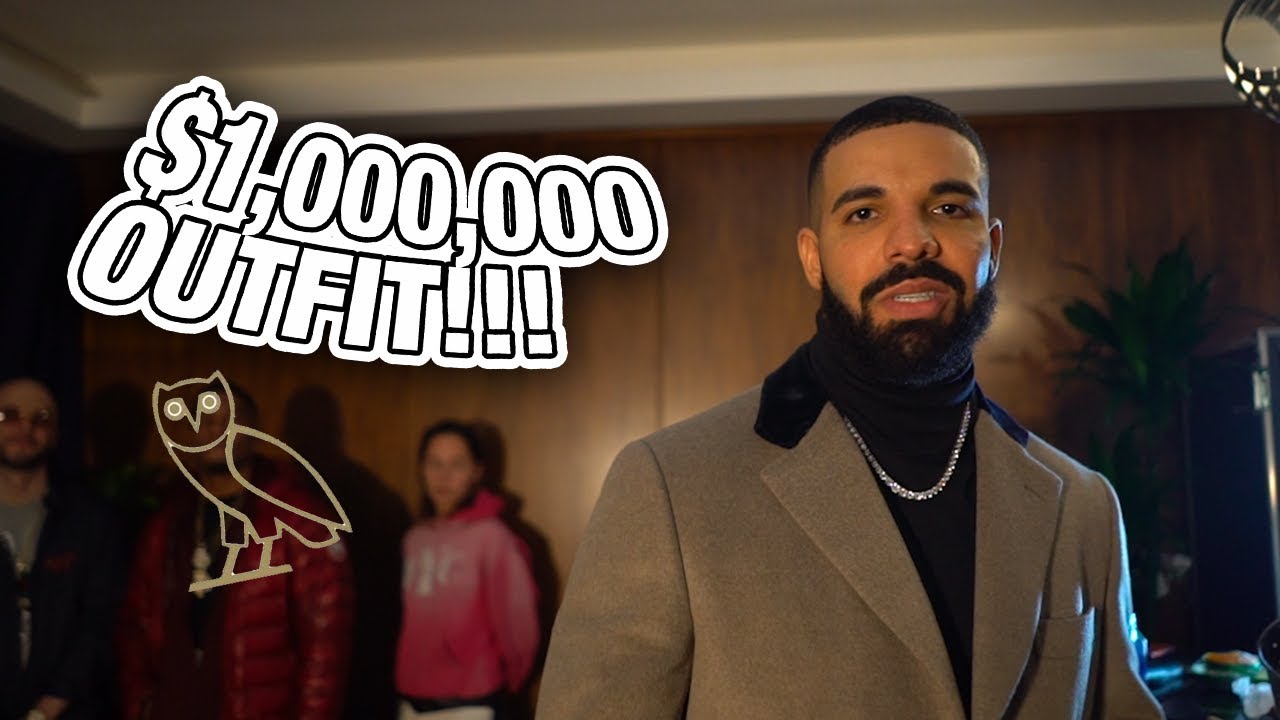
I was thinking about who Glover was targeting– the song is rumored to be a diss track to Drake. These rappers are more focused on flexing their wealthy lifestyle than actually driving more important issues. I once saw a video of Drake showing off his $1 million outfit, and it makes me wonder what the youth interprets from these messages. More and more children are looking up to these rappers and want to be more like them, but these rappers often disregard their home communities as they climb the ladder.
The youth– the primary target of the rap industry– listen to these songs to escape their daily lives or feel a spark of happiness or rebellion. When they hear these songs, it’s possible the kids imagine themselves being rich like Drake without considering leaving a positive impact on their community or driving social changes. At what expense do these rappers become rich anyway? To some extent, rappers have become the puppet of the record label they are signed to, and their creative liberties are limited to what the label is comfortable with. Is this real expression or even considered real rap?
Nevertheless, while the industry might be changing rap, kids are consuming new music now more than ever before. All genres have the potential to send their listener to a new place they have never been to before. Arguably the most unique aspect of the human race is the creation of music and the nostalgia that can be connected to a song. Listening to a song can take you out of a place of stress or sadness, transcending racial or cultural lines, and bring you into somewhere where life feels better.
Oftentimes, music helps people in desperate situations by making them feel a little more manageable. One of my favorite feelings is the full-body experience you get when a song sends you to a certain time of your life. Not only are you hearing the song, but you can see what life used to be, smell the food you ate, and feel the energy of exactly where you were when you first heard the song. Listening to these is like a mirco-dose of a dopamine release, where you can briefly forget about whatever is happening and feel more motivation to move forward.
I think music, even beyond hip hop, can be used to foster civic imagination for the youth. A certain rhyme, a certain melody, can help kids think of a better future for the world, or inspire them to contribute to a cause bigger than themselves. In history, music has shown its potential in unifying all kinds of people into one group.
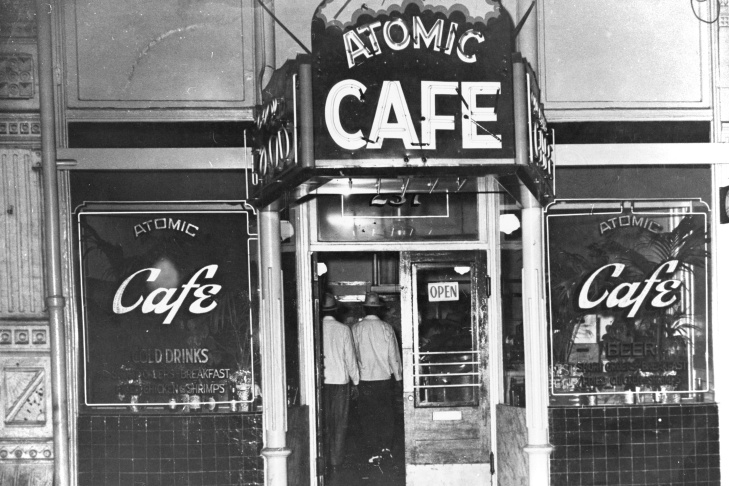
Visiting the Japanese-American National Museum on the 30th, I got to learn and make a video about the Matoba family who made the Atomic Cafe. Coming out of the forced relocation of Japanese-Americans after Pearl Harbor, this family opened this joint to serve local recipes to their street. However, when their daughter Nancy took over, she transformed the cafe into a punk haven for rebellious kids to perform and dance. This punk scene brought in every culture from all around Los Angeles, and soon this small Little Tokyo cafe became a whole community. This Japanese family went from being concerned about their public image to being the owners of a renowned music club everybody loved. Here, people from diverse backgrounds talked about important issues and expressed themselves through their music– enjoying the cafe’s ramen and fried rice in the process.
Now, with online platforms with readily available songs to stream, unity is even more prevalent. There might not be a punk rock jukebox we can all go to, but simply enjoying a song with someone is a shared experience that brings people closer together. It takes people out of seemingly depressing situations and into a place of pure, unfiltered euphoria. Sometimes, even the thought that the world has the potential to be better– somewhere out there– is good enough.
 Communicating Change