An Analysis by Evelyn Tsoi
Martha Hickson loved her job. Now, she’s counting the days until she leaves.
“If I had the freedom to walk [out], I would.”
As a librarian of 18 years at North Hunterdon Regional High School, Hickson reminisces a life long gone. The smiles of her students no longer bring her the same joy. The supportive love letters she gets in the mail are the only thing keeping her going.
During the 2021-2022 school year, Hickson’s school district, North Hunterdon-Voorhees Regional School District, along with 152 other school districts across the nation, launched book bans.
Book bans refer to a larger movement by parents, community members, lawmakers, and school districts to restrict student access to certain books in libraries and classrooms. Simply, they limit a child’s access to free, diverse education in schools. Increasingly, schools are no longer a safe haven of representation and free expression for students.
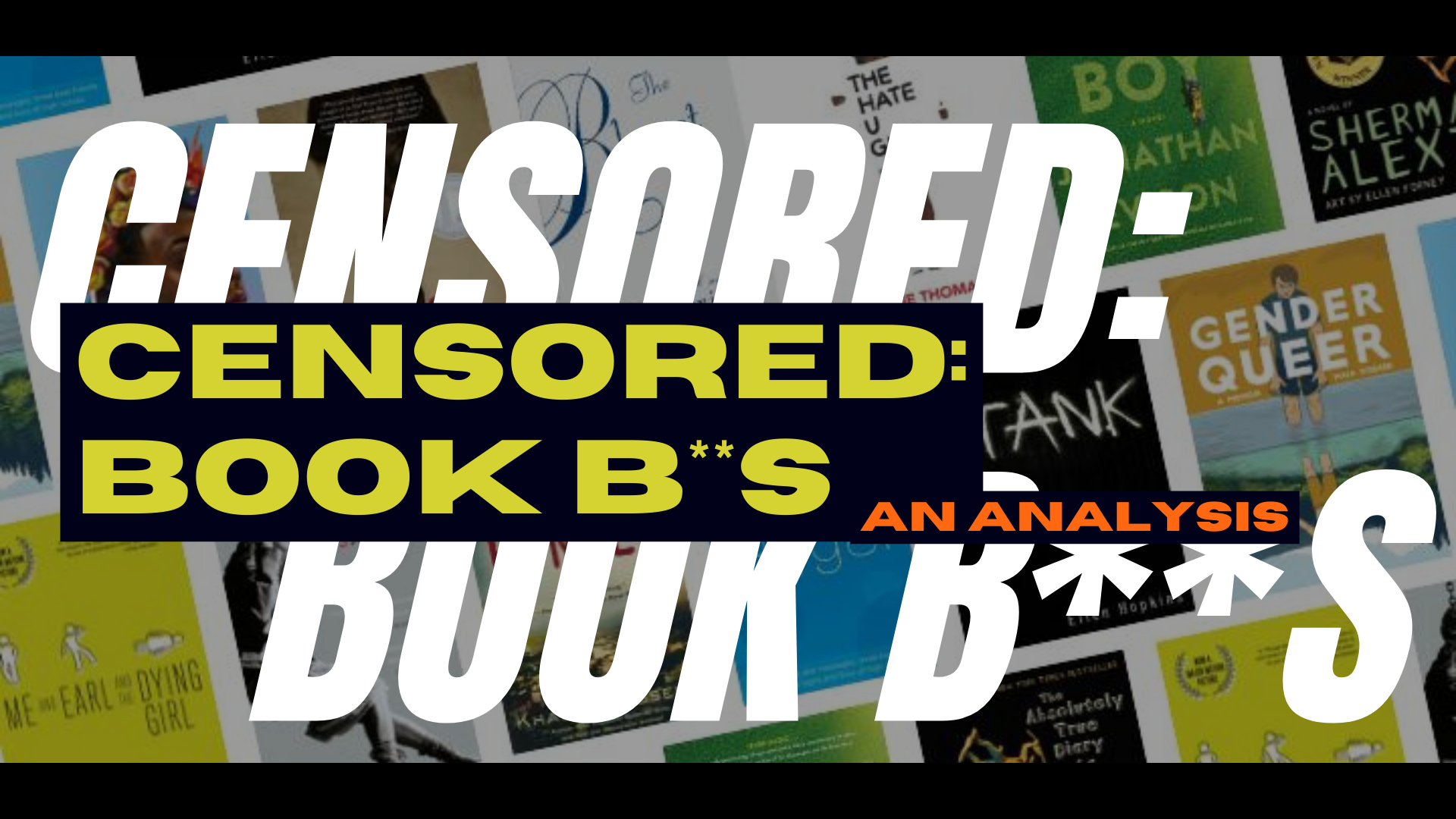
Largely, school book challenges have targeted books about the LGBTQ community and people of color. Nearly 41% of all books banned have had protagonists, or prominent secondary characters, who are people of color, and Gender Queer: A Memoir topped the list for the most banned book of the 2021-2022 school year.
The cornerstone of our education system is built on the fundamentals of free and open access to books. Thus, the ever-intensifying cultural war is no longer simply an act of political warfare — it is an undermining of our education system. It is an attempt to erase and shame the narratives of authors, students, librarians, and every American across the country.
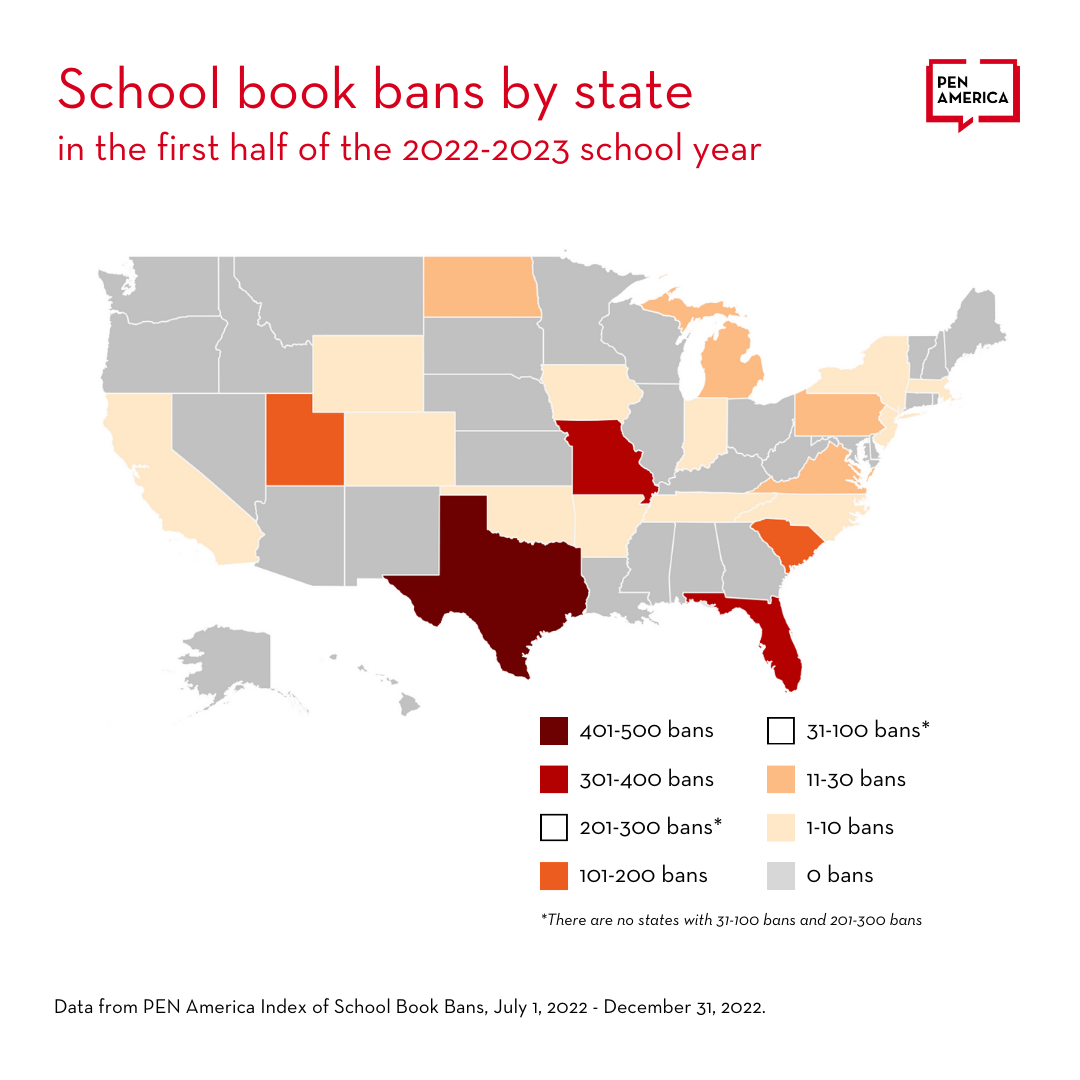
Book bans have been on a rapid rise since 2020
Why America Bans
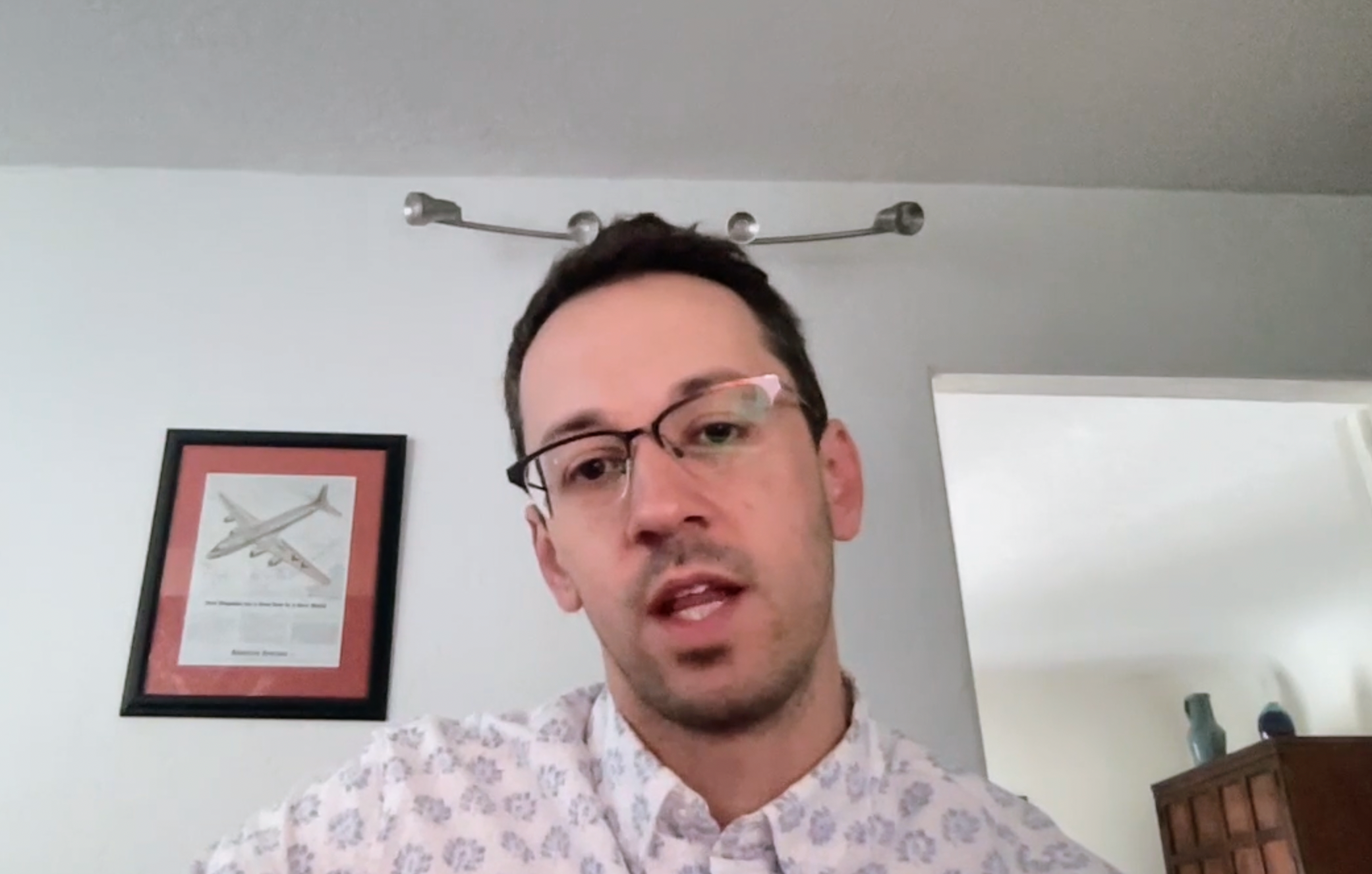
The cultural war of 21st-century book bans didn’t start overnight. Rather, as Professor Morgan Polikoff, an Associate Professor of Education at USC Rossier School of Education, argues, the war is rooted in long-term conservative opposition to public education systems.
“Over time, the Republican Party has weaponized book bans as a wedge issue to try and get Republican parents to see public schools as an enemy of conservative values” Professor Polikoff reasons.
Fundamentally, conservatives support a free market that prioritizes private over public institutions. Thus, efforts to limit public education and expand vouchers and support for private education is a key tactic Republican lawmakers have utilized to appeal to their party. The most successful of such lawmakers has been Virginia Governor Glenn Youngkin, whose 2021 victory was a surprise for a state that hadn’t elected a Republican in a statewide election since 2009.
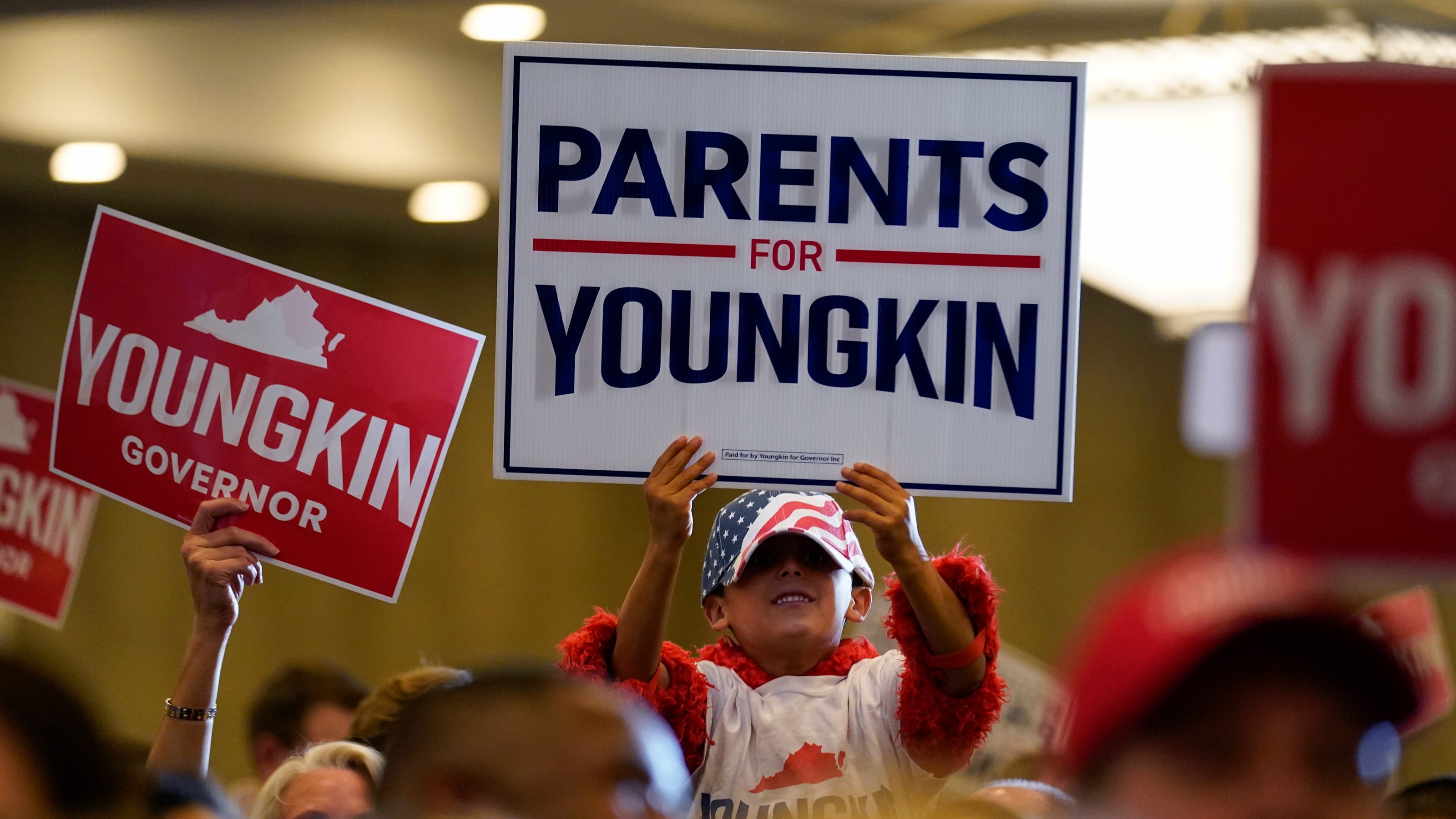
Parents and children supported Gov. Youngkin under the premise of “parental rights”
Gov. Youngkin ran on a campaign strategy centered around the issue of parental control. When schools across the nation shut down in 2020, parents quickly became frustrated about masks, vaccines, and stay-at-home mandates. As they argued, parents should have a say in the decisions about their child’s health and education. Youngkin, with the help of organizations like Moms for Liberty, further ignited these arguments, stressing that K-12 education and curriculum (specifically the books children have access to or are assigned) lacked the same parental oversight as COVID-19 mandates. [Moms for Liberty is an extremist political organization and anti-student inclusion “parental rights” group.]
These attacks were unified in opposition to the authority of state boards of education that largely only have jurisdiction over public schools. Thus, book bans are just a sick tool used to erode trust in the public education system. As culture war orchestrator Christopher Rufo detailed in a 2022 lecture at Hillsdale College, “To get to universal school choice, you really need to operate from a premise of universal public school distrust.”
To sow seeds of “distrust,” parents and lawmakers alike overwhelmingly focus on polarizing issues of race or gender instead of more legitimate concerns of age-appropriateness or racist content.
In April of 2022, Florida’s education department under Gov. Ron Desantis (R-FL) rejected 54 math textbooks from its K-12 curriculum for alleged teachings of social-emotional learning (SEL) and critical race theory (CRT). Yet, as a New York Times review found, while there was social-emotional learning content within the textbooks, there was rarely any mention of race, and most certainly not critical race theory. Critical race theory once referred to a niche area of academic study that “argues that historical patterns of racism are ingrained in law and other modern institutions.” Today, it has been more broadly categorized as a facet of “woke” ideology.
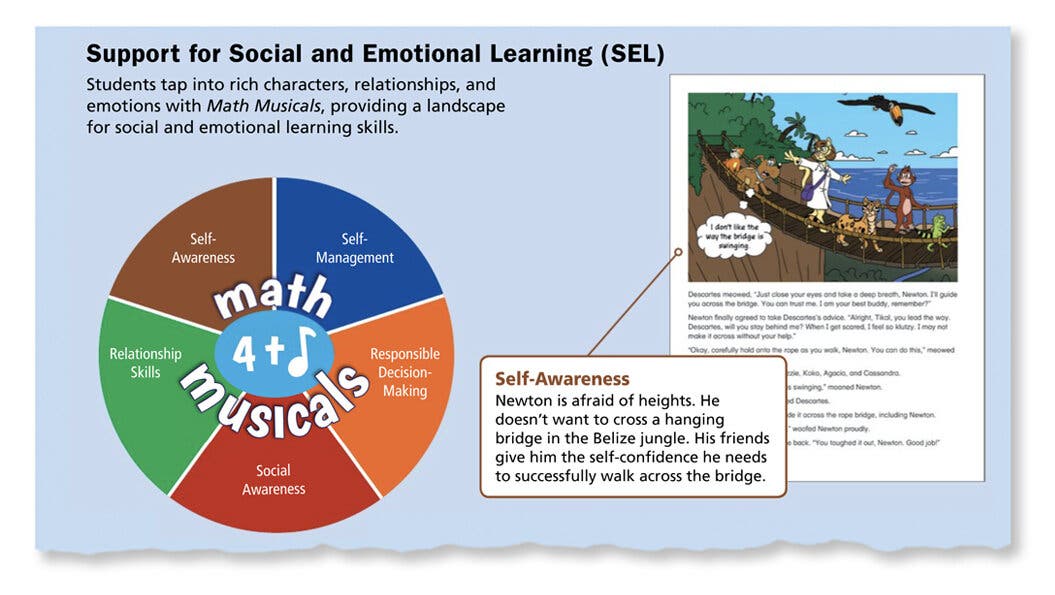
The New York Times analyzed teachings of “SEL and CRT” in Florida’s math textbooks
Ungrounded bans and restrictions like the ones in Florida don’t simply hurt the publishers that pour years into the development of such textbooks, they also hinder bipartisan efforts for genuine change. That’s because the book ban movement ignited by conservatives in recent years has never been about reforming education, it’s been about control. For such supporters of the movement, creating private school-esque conditions within public schools is the end goal.
What’s at Stake?
The integrity of public education systems isn’t the only thing at risk. Everyone from the teachers and librarians that educate the next generation of leaders, to systematically marginalized students is impacted.
Librarian Martha Hickson isn’t just tired of her job anymore, she’s afraid to go to it at all. As Jonathan Friedman of PEN America, a free-expression defense nonprofit, explains, the United States is currently undergoing an “Ed Scare” — a new version of the Red Scare. The Red Scare was a period in the 1950s of great hysteria surrounding communist threats to the US. Amidst the fear-mongering, individuals with any brush with communism were targeted, often rooted out from various employment settings. In today’s day and age, librarians and educators are the ones targeted under claims of “indoctrinating” students with “woke” ideology. Hickson has been called all sorts of names from pedophile, to pornographer, and even a groomer of children.
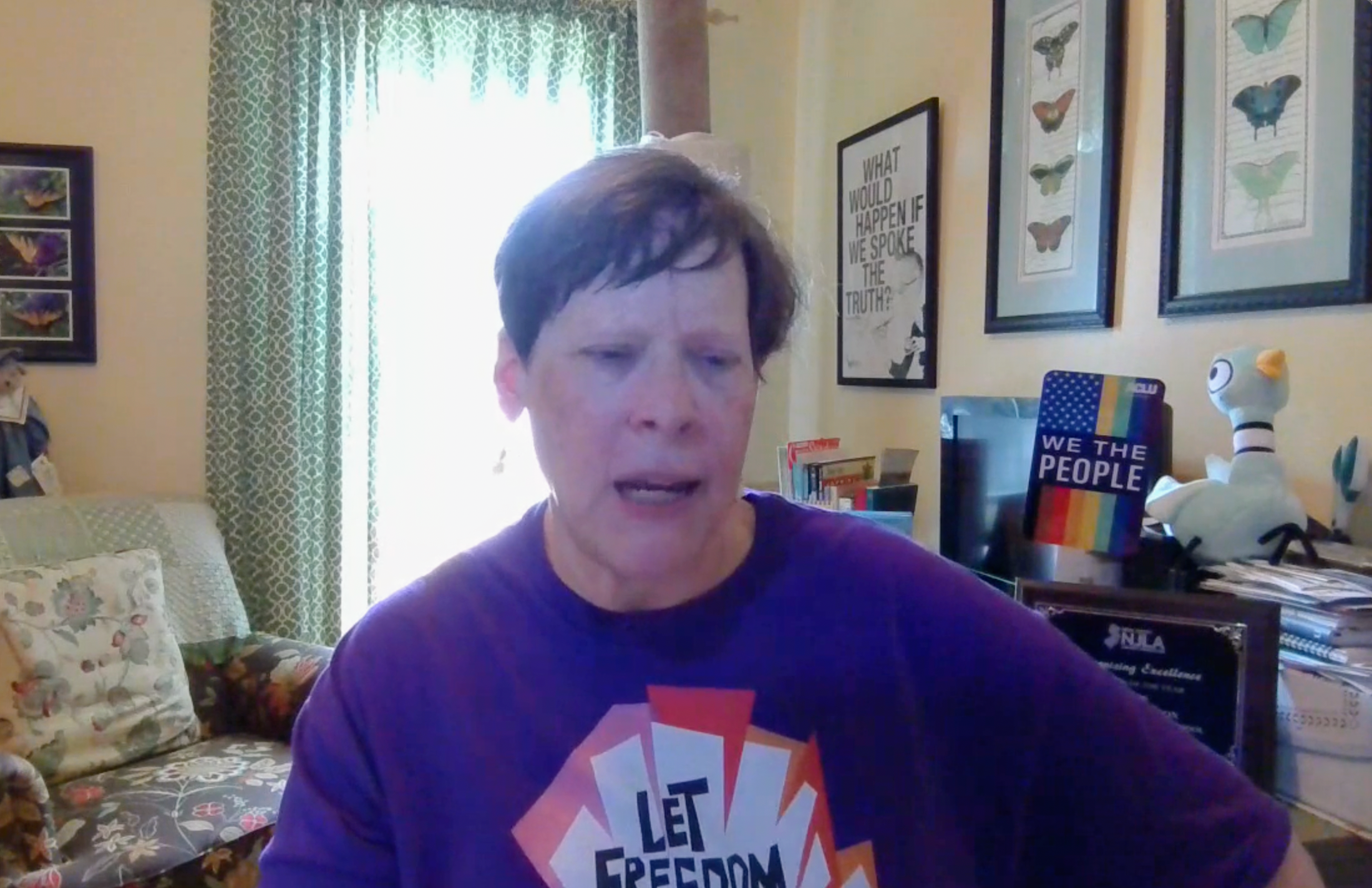
“This idea of being [labeled as] a sex offender… has devastating implications for an educator. That can be career-ending. It places a cloud of suspicion over you that does not go away quickly” Hickson said woefully.
To Hickson and librarians across the nation, the attacks aren’t just demeaning, but also demoralizing. Yet, Hickson still tries to lift her students’ spirits amidst the difficulty she personally faces. However, it hasn’t proven to be an easy task.
Over a child’s educational journey from K to 12, they will spend an estimated 15,537 hours in school. With this vast amount of time comes potential. The potential to either create a sanctuary for free thought and representation, or a breeding ground for ignorance and exclusion. With the rise of book bans, the latter is increasingly becoming a norm.
When Prisha Sherdiwala, a student at Palm Harbor University High School in Florida, first heard that the book her AP English Literature class was reading, The Bluest Eye, was under attack, she was afraid. [The Bluest Eye by Toni Morrison depicts the violent and poverty-stricken story of Pecola Breedlove, an African-American girl growing up in 1941] If a book that held such great merit and truth was being challenged, what else would be challenged?
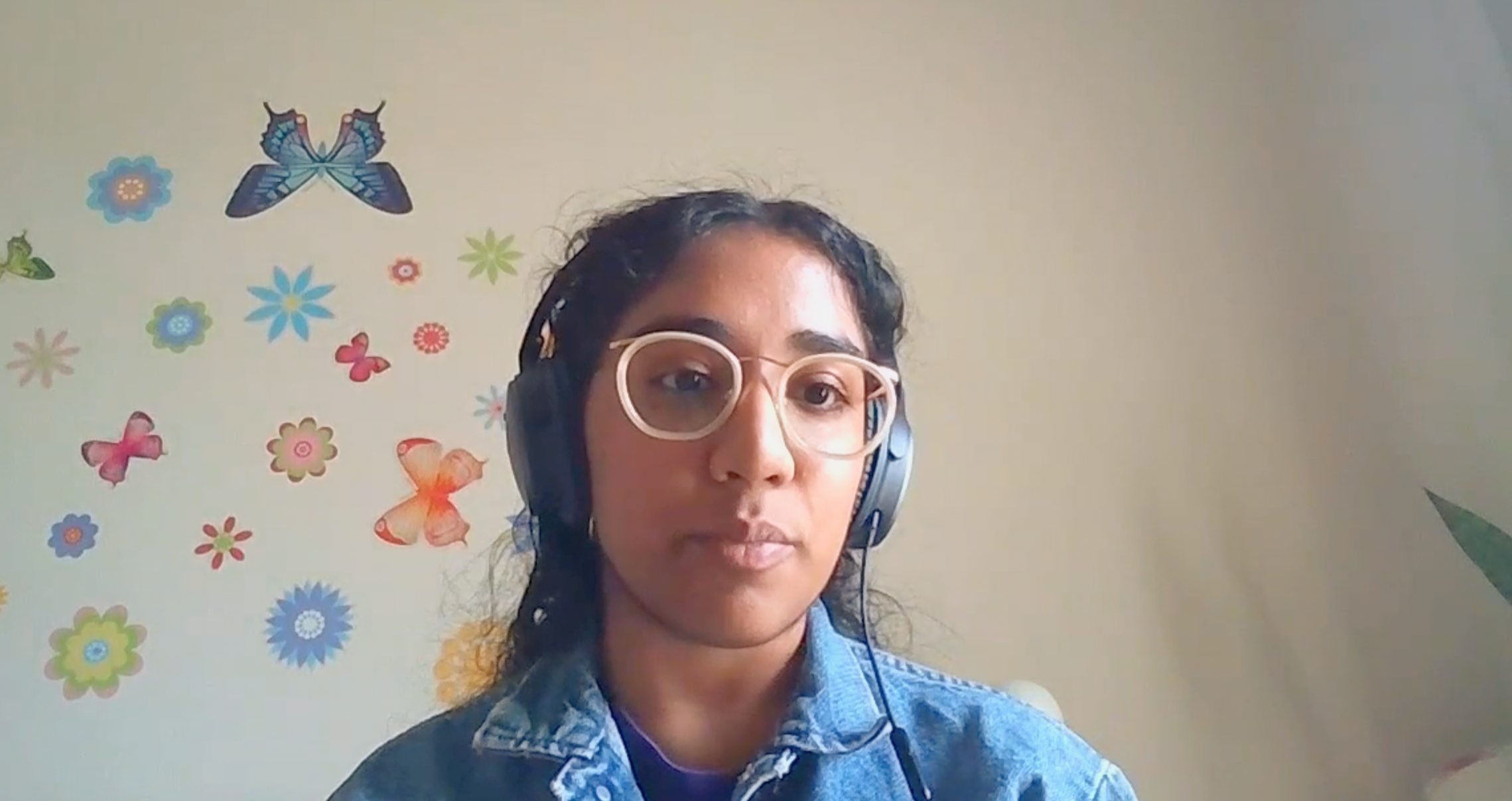
“The book has literary merit because it delves into a topic that affects real people and their circumstances. It holds a valuable place in our classrooms” Sherdiwala contended.
The value of books like The Bluest Eye stretches beyond representation, to quantifiable improved academic outcomes. A 2016 study by Stanford University found that in a San Francisco pilot program where ethnic studies classes were rolled out in classrooms, students who enrolled in such courses had GPA boosts of 1.4-grade points, attendance increases of 21 percentage points, and an average of 23 additional credits earned. By attempting to erase the safe and inclusive environment created with books like The Bluest Eye, students don’t feel like they have the support or motivation to flourish in their classrooms. Learning should be a fun, introspective experience. Limiting texts that challenge conventional ways of thinking, and encourage students to confront their own biases and identities, only results in the stifling of a student’s growth.
What can we do and what’s next?
When the wheels of justice turn slow in this country, it’s hard to remain optimistic about change. However, at all levels of government and action, there is something everyone can do.
- Community Action
Hickson attributed her success in protecting banned books to the support system she built. She initially reached out to members of her union, the New Jersey Education Association, to stand against the improper requests of her Superintendent to ban the book Fun Home. Later, by reaching out to both her personal network and her brother’s, she created the North 100 and Voorhees Intellectual Freedom Fighters in 2019.
When attacks on books resurfaced in 2021, Hickson expanded her network by reaching out to gender and sexuality alliance clubs (GSA) within her school district.
“Getting the kids involved was enormous, they are the most effective spokespeople when their own rights are being abridged” Hickson explained.
Combined with the support from the New Jersey Association of School Librarians, the American Library Association Office for Intellectual Freedom, the National Coalition Against Censorship, PEN America, EveryLibrary.org, and the Comic Book Legal Defense Fund, Hickson was thoroughly prepared to counter any legal or personal attacks.
Creating a broad network is the first step for any librarian, or community advocate aiming to protect free access to books. However, even with an extensive network, Hickson argues that it’s not enough to counter the nation’s wave of book bans. She encourages each and every student, parent, and community member to attend their school district’s Board of Education meetings, and even consider running for Board of Education.
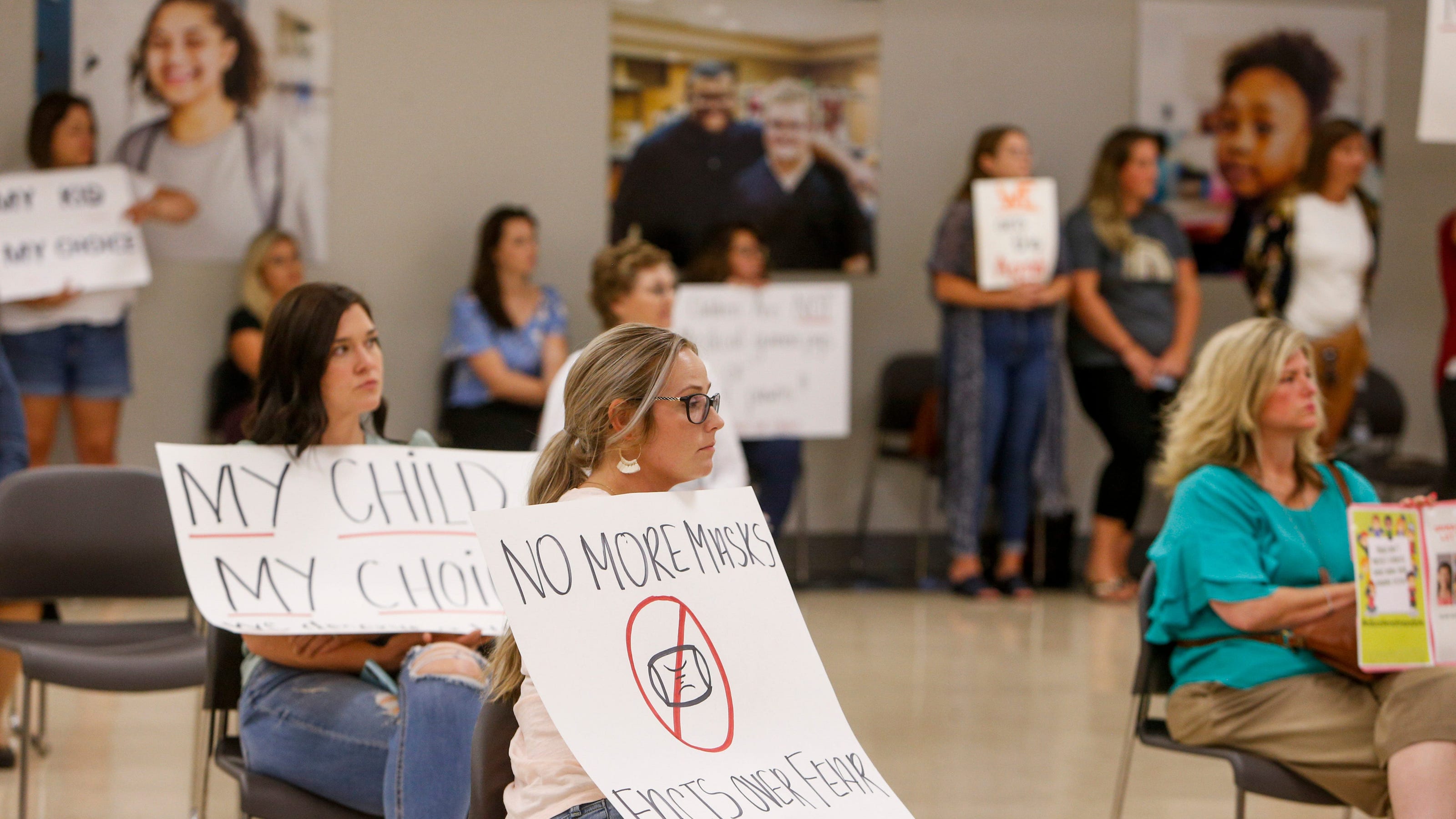
Moms for Liberty members are flooding Board of Education Meetings
Despite the associated bore of such meetings, Hickson contends that the basis of every book ban attack starts at Boards of Education, making such meetings especially critical. As Steve Bannon, former President Donald Trump’s top advisor, stated at the 2022 Conservative Political Action Conference, “School boards are the key that picks the lock.” Increasingly, with the monetary and volunteer support of the conservative party, school boards are stacked with far-right candidates, creating imbalanced boards that often represent extremist factions of otherwise moderate communities. In fact, on North Hunterdon-Voorhees School Board, Hickson’s district school board, sits Moms for Liberty member Nicole Gallo.
Increasingly, Americans have seen that it’s not enough to simply stay on the sidelines and attempt to call for action. Advocates must become the change they seek.
- School Districts
When book bans first hit Assistant Superintendent Dr. Mercedes Lovie’s Oceanside school district, she knew she needed to act quickly. Immediately after the first public comment requesting the removal of specific titles from Oceanside’s libraries was made in January of 2023, a flood of similar comments came in. Oftentimes, these comments brought in entire lists of books, which can be overwhelming for a school board to analyze. Thus, Dr. Lovie activated a community-led committee to help out.
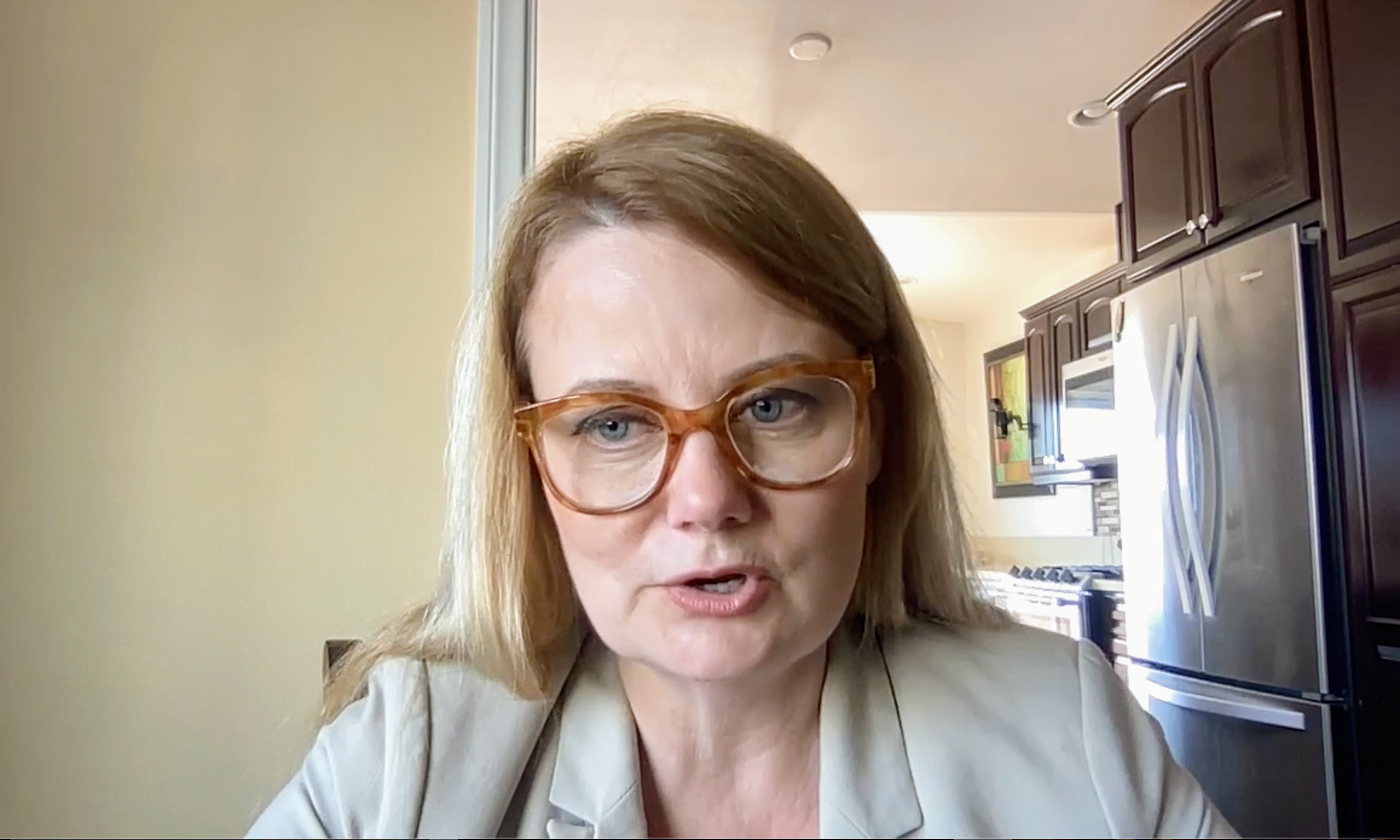
“We asked our teachers and parents and staff members if they’d like to be part of the committee to review the books…[they] evaluate them based on the criteria that we had, which was the Miller Test from 1973, and to also look at our board policy and our approach” Dr. Lovie explained.
The 10-person volunteer committee consisting of parents, staff, and students have since vetted tens of books, ultimately protecting the integrity of Oceanside’s inclusive library collection. Dr. Lovie stresses that in order to counter book bans, collaboration is needed not only with anti-ban advocates but also with the challengers themselves. By developing trust and transparency with the community, Dr. Lovie aims to lower tensions and productively collaborate to enrich a child’s curriculum.
Similarly, school districts across the nation should try to create collaborative task forces with diverse perspectives in order to constructively address book-ban efforts. While there have been extreme, unsubstantiated book ban efforts, like attempts to remove “The Life of Rosa Parks,” the nation has also seen valid concerns regarding age-appropriateness and pornographic/discriminatory content that should be thoroughly addressed instead of disregarded.
- Legislative Action
With the largely decentralized education system in the United States, states often lack an imperative standard for book bans.
Most recently, Illinois Governor J.B. Pritzker reversed that trend, signing HB 2789 into law and making Illinois the first US state to outlaw book bans in public libraries. While the law does not address the issue of book bans in schools, it is an important first step. Increasingly, book bans have targeted public libraries, with threats to remove library funding if libraries do not abide by specific regulations for the books they shelve. In states like Missouri, teachers and librarians can even face jail time for noncompliance.

Gov. Pritzker (D-IL) signs the first anti-book ban legislation in the US
Other states have yet to pass similar laws like Illinois’, but we are seeing growing momentum. Earlier this year at a presentation to the Huntington County Democratic Club, Hickson spoke to State Sen. Andrew Zwicker about passing legislation similar to that in Illinois. Within the same month, such legislation was introduced in the New Jersey state legislature. Other largely Democratic states have also demonstrated an interest in passing such legislation. In California, amidst book ban attempts in Glendale and Burbank, state Assemblymember Chris Holden asserted that “if we need to, this legislature has the capacity, the will, and the heart to make sure that we prevent any other parts of the state from trying to break away and ban books. It’s a non-starter, so legislation could pass and I’m sure the Governor would sign it.”

More often than not, the first step requires your action. By reaching out to your state elected officials and Superintendents of Education about possible legislation to protect libraries and books, legislatures understand the magnitude of book bans, and consequently the need for legislative action.
- Judicial Decisions
A few weeks ago, the Supreme Court handed down a series of devastating decisions from a blow to LGBTQ protections, to the destruction of affirmative action. Now, Americans are seemingly wondering which right of theirs will be struck next — including access to books.

Professor Eugene Volokh of the UCLA School of Law explains that legal cases regarding book bans are unique to recent SCOTUS decisions because a precedent hasn’t yet been established. In the 1982 SCOTUS case of Board of Education v. Pico, no majority opinion was genuinely established. The American Library Association notes that the language and overall decision were incredibly ambiguous, opening the floor for subsequent challenges that only made the case more confusing: “The decision states materials cannot be removed if they violate a governing body’s personal, political, or social views. It does not protect materials that are removed under the argument of vulgarity or education suitability, nor does it protect materials that have yet to be added to collections in schools.” Continuously, the loopholes left by Pico are leveraged to attack free and open access to books.
Professor Volokh stresses that “at some point, we probably ought to have a precedent,” but a question remains: what will that precedent be? Professor Polikoff, a recent witness to the US Commission on Civil Rights, argues that the most likely lawsuit brought to the Supreme Court’s attention will revolve around actions “depriving students of color, black and brown students especially, of equal educational opportunity to specifically race-related content…when we know that kind of content benefits them [under the Stanford study].” Since a lawsuit regarding that legal basis is more specific than Pico, it could offer a substantially clearer precedent for book bans.
Equally critical to consider is how the court would rule on such an issue. As Alton Wang, a lawyer at the nonprofit law firm Common Cause, analyzes, a decision “would really depend on the landscape right now.” He further explained that “we just saw in the case of 303 Creative that it really eroded the civil rights of LGBTQIA+ communities by implementing a constitutional right for certain folks to discriminate based on this idea of free speech.” Considering that fundamentally, the issue of book bans boils down to what is protected under the free speech of libraries, rulings like 303 Creative can be telling for future cases presented to SCOTUS regarding book bans.
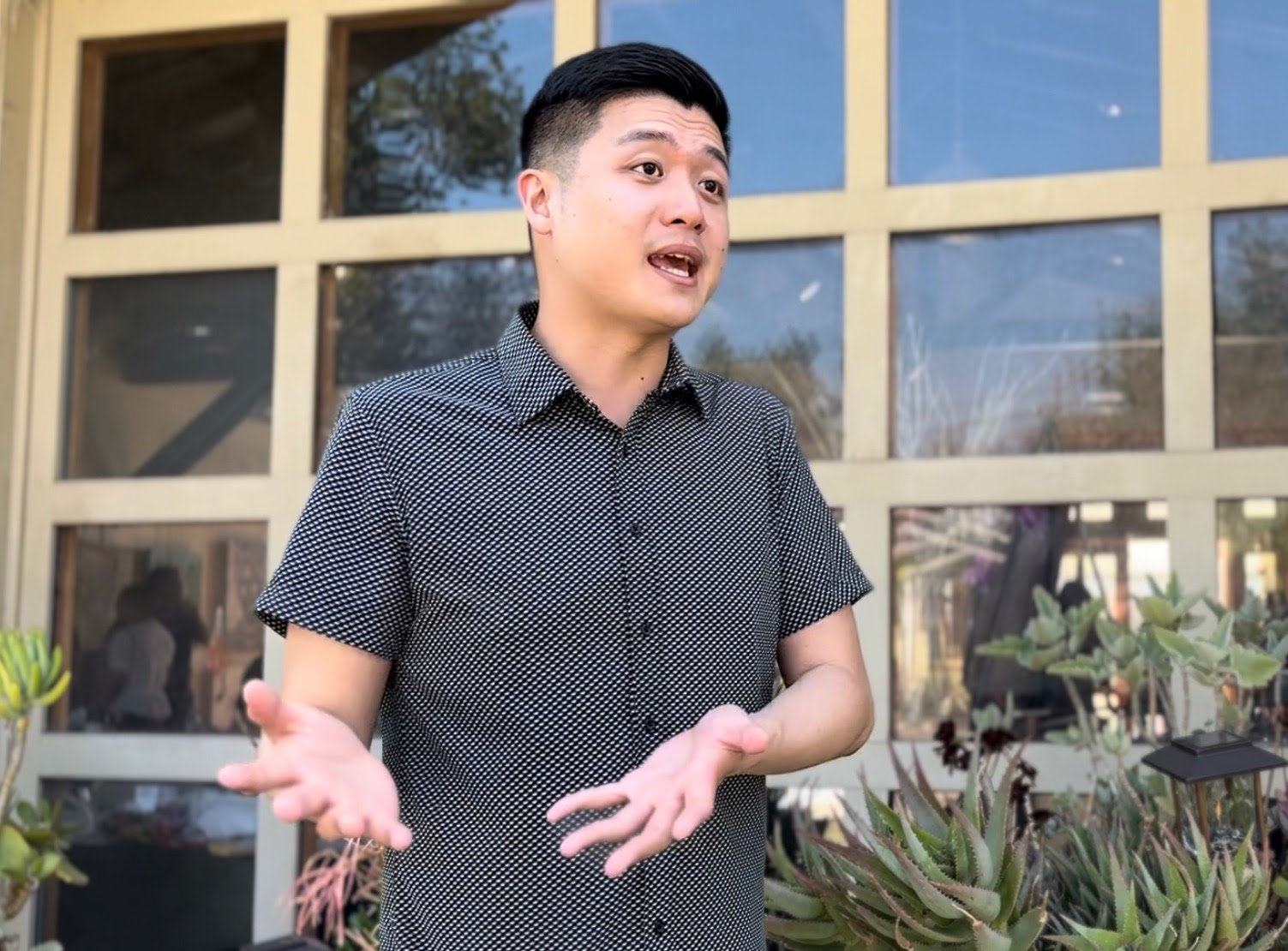
As Professor Polikoff predicts “I don’t think there’s any reason to think that a conservative court wouldn’t just side with local control that furthers discrimination.”
Professor Polikoff suggests that by increasing action on various fronts to try and win elections, anti-book-ban advocates have the best chance at protecting books. Due to the stark ambiguity of who actually has the authority to roll back curriculum/book restrictions (school boards, states, the SCOTUS), efforts are necessitated in any way possible.
Turning the Page Forward
Attacks on books and the cornerstone of our education system can be demoralizing, but it is important now more than ever to lead with hope.
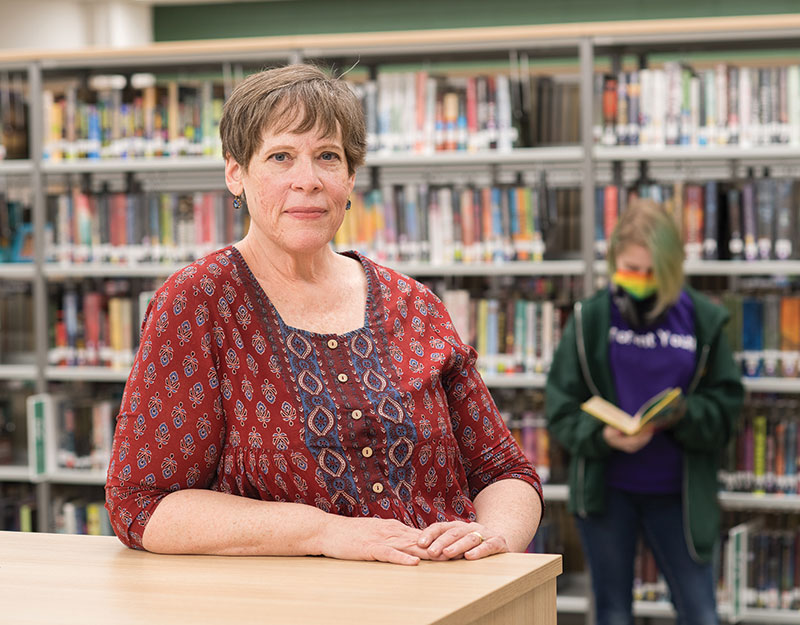
Hickson sees the monumental impact representative books have on her students each and every day
Today, Hickson proudly hosts 12 display fixtures a month with covers that reflect the diverse identities of her students. The attacks haven’t stopped and she still counts the days until her retirement. However, every time another thank you letter is passed to her in the library, or is delivered in the mail, Hickson is transported back in time. Suddenly, she falls in love with her job all over again.
 Communicating Change