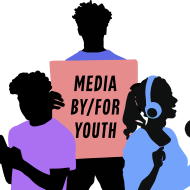
Week 2 at AYA communications class was normal. We learned about missed representation in the media and the importance of addressing missed representation. Representation in the media is an essential and ongoing conversation. It focuses on ensuring that diverse perspectives are accurately and inclusively portrayed across different forms of media. One example of this is how certain groups of people, such as women, people of color, individuals are often underrepresented or misrepresented in media. I learned that this lack of representation can contribute to stereotypes and limited perspectives. We looked closely at different types of photography. Such as rule of thirds, leading lines, framing, and depth of field, we went out to do this photo exercise and later discussed our photos. This was a great time to show us what we’ve learned so far. My favorite day 5 we learned about youth media and politics, we learned about youth activism that brought important changes in society. For example, in the 1800s people began to fight for the rights and freedom of others. One important movement was the abolitionist movement, led by Harriet Tubman and Frederick Douglass who worked tirelessly to end slavery. Many young activists participated in the fight to end slavery. Young people started to raise their voices and fight for change. Youth activists use media practices to share their thoughts, raise awareness and inspire change. They educate and raise awareness and these cultural priorities show that youth activists are driven by a desire for positive change, inclusivity and social justice. We watched a music video of Childish Gambino and how that is a form of hip hop. We analyzed different types of music, and hip hop gained so much popularity. Hip Hop culture and music have often been used as a tool for expressing ideas, raising awareness and advocating for social change. Many hip hop artists use their music to tell stories about their own lives and the experience of their communities. Civic media, on the other hand, refers to media platforms and practices that promote civic engagement and social change. I also learned about the Japanese in World War 2, when the Japanese Americans were forced to leave their homes and live in camps because of their fear and prejudice. Looking at the newspapers taught me that culture and identity are important and everyone deserves to be treated with respect and equality. We can learn from the struggles faced by Japanese Americans during this time and work towards a world where everyone’s cultural identity is celebrated.
 Communicating Change