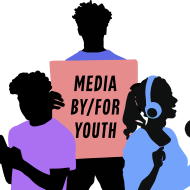
With the end of the second week of the program, I think many of us have gotten used to the pace and flow of this program. As the second week wore on, we gained insight into the critical issues of youth, media, political participation, and hip pop as civic media. From this course, I deeply understand how difficult it was for youth in the past and how music culture can unite everyone. In my mind, I think young people need to be involved in politics because they are the future of society and the agents of change. In addition, in my cognition, I think music can bring about social change because musicians can use their lyrics and singing to confront and oppose opinions.
As the age pushes and protests, youth engage in political activism to express their opinions. This enables young people to participate in political discussions, advocate for causes, and organize social movements more effectively. With the development of social media, youth have easy access to information; therefore, young people have become more informed about political and social issues. As a result, young people can actively participate in political discourse. Young people use new media to express cultural and political declarations on a variety of issues. That’s why I think young people need to play a role in society because they are usually enthusiastic and innovative thinkers, and they have a stronger focus and awareness of social issues. By engaging in political activism, they can play an active role in social change and progress, driving discussion and implementing solutions to critical problems. The participation of young people in political activism is crucial. In my opinion, they represent the future of society; their voice and participation will make social progress and change.
What is “Participatory politics?” Participatory politics can refer to forms of civic engagement that promote the active participation of citizens in communities to facilitate decision-making and social change, as social movements refer to group actions that occur widely in society and aim to promote specific social changes or issues, with social movements which develop movement messages. The movement’s message sparked widespread discussion and ideological change. I think having a social movement allows the government to understand what society and people want more.
Having music in the media develops a significant position that allows people to share common opinions and ideas; thus, this can help people get together. Hip-hop is one of the music cultures that played an important position in shaping civic media. Hip-hop is a cultural genre that combines elements of music, dance, visual arts, and spoken word. Many Hip Hop musicians have used the music to address social issues and change. Hip-hop music continues to uniquely express African-American history and experience and promote social change by addressing issues, including systemic racism, social inequality, and cultural identity. I think hip-hop is a powerful sound because it’s a sound that provides a platform for people to have a voice and speak up for their opinion and values. People can express their lived experiences, challenge stereotypes and advocate for social change throughout hip pop in real life.
On Friday, going to the Japanese American National Museum helped me develop considerable knowledge about the history of Japanese Americans. Learning about their culture, social change, and the first American Japanese, region, and features of Japanese Americans. With the worksheet the museum gave us, I explored seven vocabularies related to the Japanese American National Museum object, including immigration, injustice, loyalty, resistance, community, civil rights, and change. All of these terms can represent the movement of Japanese American in the past.
The second week of the program was an incredible one with a deeper understanding of youth in the context of communication and media. Had a rough week.
 Communicating Change