The sunrise of tomorrow is never promised. And yet, every night as we drift off to sleep, we think of our plans for the next day, maybe some of us dream up entirely different worlds. A world of tomorrow, a world fifty years into the future, a world we may not even live to see. But if it is just a dream, why does it really matter?
With the recent celebration of Juneteenth, I found myself questioning exactly how marginalized communities enact systematic change, especially when their oppressive systems are seemingly perennial. This week I realized that in the speeches our parents give to us about changing the world, we are given the secret. Dreaming. Imagining.
Many dreamers never realize the sheer and invincible power of possibility they hold in their minds.
Civic imagination is such an extremely strong tool because one cannot enact change without imagining “what a better world might look like” (The Civic Imagination Project). I think that this week’s lessons at AYA resonated with me because I am from a family and community where the previous generations feel ‘too old’, or ‘not American enough’ to aid in changing oppressive systems in the U.S.. However, I now can say with scholarly backing that they are just as much a citizen as I am.
A citizen. Someone who’s active and stands up for what they believe in. A citizen has an understanding of something they believe is wrong, or something that could be improved, and “they go out and change it” (Good Citizen). The different breakdowns of Westheimer’s ‘good citizen’ stuck with me because of this sense of disconnection that much of my immigrant family has, and it was nice to hear a newer definition that reflects the reality of immigrants– one of immense involvement and support for one’s community.
Even more so, the manner in which civic imagination reinforced their capacity for change really inspired me to continue encouraging family, such as my mother, to continue thinking and dreaming big. Looking into the future for the society where her children always feel like they belong in a room, where she feels equal to the wealthy children whom she cares for.
Personally, I use civic imagination every time I write. What part of writing doesn’t involve a hope for a more perfect society, either for one’s self or others? When I set goals for my family life, community life, even campus life at USC, I use civic imagination. I have made it a personal goal that every time I see a family struggling to get that perfect picture, I will offer to take it for them. So far this goal has been met four out of four times, so my 100% success rate is making me feel pretty good. However, those families now have something to be proud of, something to share with their communities and to encourage them to dream as big as USC.
Ultimately, though, one must share their dreams to make them a reality, which is another aspect of civic imagination– action, which is what we start here at AYA. Imagining a more perfect world and developing skills to vocalize that is what we do here at AYA, and I am incredibly proud to be a part of that. With our increasing hunger for change, the ideas and seeds that are planted at AYA will one day grow into mighty trees, and until then, remember that the Sun will always rise again.
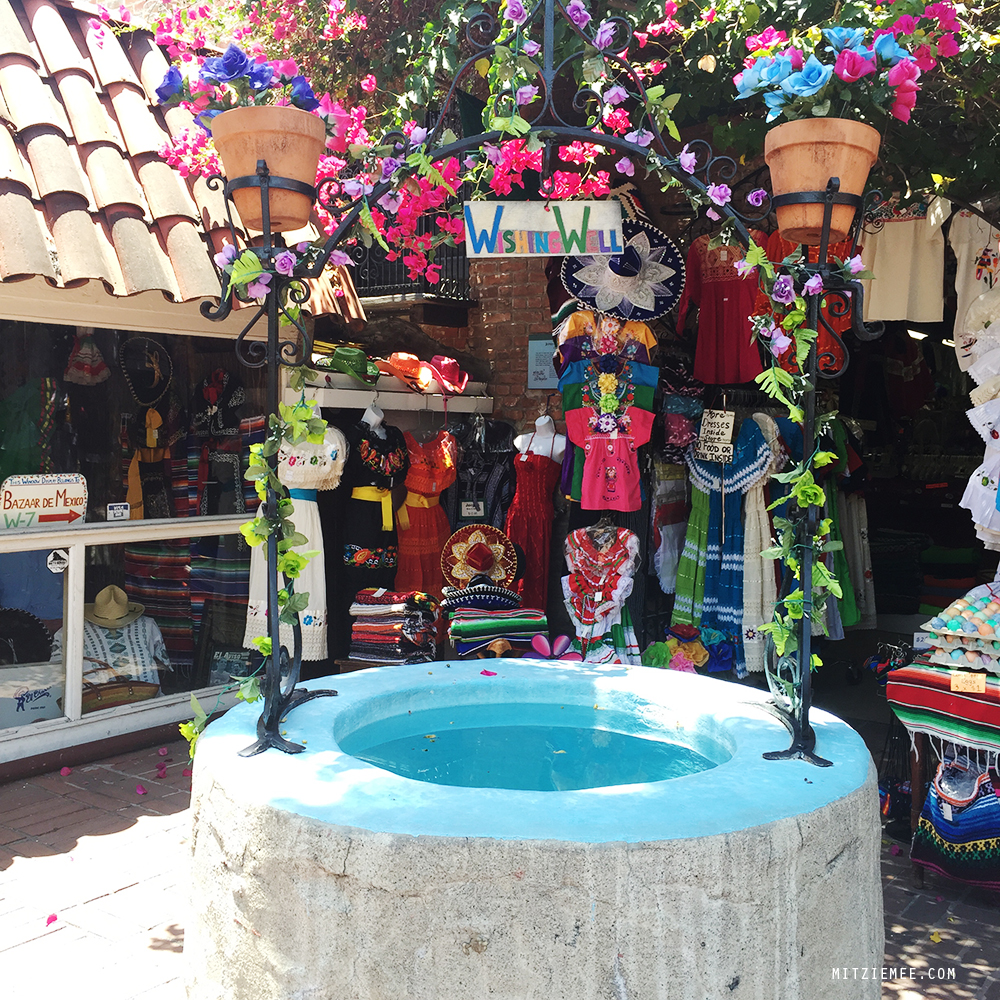
Every day we dream, wish, and plant the seeds of change.


 Communicating Change
WOW! Amaris this is amazing!
LikeLike
Great job Amaris, #BESTJOURNALEVER<3.
LikeLike
Insane, loved the photo at the end
LikeLike