Astha Munot
In my first week of the Communications class at AYA, I acquired a profound amount of knowledge. Some of the ideas we learned about deeply resonated with me, while others introduced entirely new subject areas. Some of the new concepts allowed me to draw many connections from my personal life. Moreover, these newfound understandings of ideas and concepts allowed me to recognize the strength that my voice holds and the numerous ways I can use it to trigger a change in my society. Although I had encountered several of the ideas we went over this week, it was through this class that I gained a profound understanding of these concepts and learned the precise terminology to associate with them.
Communication is present everywhere you go; it is consequential for human interaction. It is vital for us to express our thoughts, ideas, and emotions. According to Julia T Wood, “Communication is a systemic process in which people interact with and through symbols to create and interpret meanings” (Wood, 2013). As Wood expresses, symbols are an integral part of communication. We assign these symbols certain meanings that are then used to convey our ideas and meanings to others. In other words, this is what the terms encoding and decoding entail. Encoding is when messages or symbols are given meaning by an author, and decoding is when these symbols and messages are interpreted or decoded by a recipient. These ideas of encoding and decoding were familiar to me; however, it was interesting to learn that there were different types of decoding. Dominant decoding is when the recipient interprets the author’s meaning exactly. Negotiated decoding is when some of the author’s meaning is accepted; however, some elements are not accepted by the recipient. Lastly, oppositional or resistant decoding occurs when the intentions of the author are intentionally countered or rejected by the recipient. Furthermore, I believe that often how the recipient decodes the message reflects their internal beliefs, past, and biases. One common example of this is how the swastika is perceived by different people. The most dominant and widely recognized association of the swastika in history is with the Nazi Party. It is associated with all the atrocities of the Holocaust, and this has resulted in negative connotations of the word “swastika” in the majority of Western societies. However, in many cultures, particularly in Asia, it holds many positive connotations as a representation of well-being, spirituality, prosperity, and good luck.

Another concept that piqued my curiosity was the concept of slacktivism. The article “New media? New civics?” by Ethan Zuckerman describes slacktivism as “‘Slacktivism,’ a term coined in the 1990s but brought to prominence by Internet theorist Evgeny Morozov, posits that online activism may detract from ‘real,’ offline activism by persuading us that we are having an impact even when we’re doing nothing.” This idea caught my attention because I had never seen online activism through this lens. I had always seen it as “traditional” activism to support or initiate social and political causes online. I have grown up seeing people promoting social and political issues on social media, especially during the time of Covid. So I always saw this behavior as “normal.” However, now seeing it from this new perspective, I was compelled to consider that maybe this online activism that I had always seen as normal was actually perceived as lazy and was not having an impact. Nevertheless, coming from a generation whose entire life revolves around technology, I felt the obligation to prove this idea wrong and satisfy this doubt. I decided to research examples of times when social or political movements would not have been successful if it were not for the media. One of the biggest examples I encountered was the Black Lives Matter movement. This is one of the biggest movements in recent history, and the only reason for its significant and influential impact on a global scale was media activism. This had become such a prevalent movement because of people supporting it all over the media. Hashtags like #BlackLivesMatter and #SayHerName raised colossal amounts of awareness about social injustice, systemic racism, and police brutality, which eventually led to numerous protests and raised voices, which are seen as “traditional” ways of activism. Ultimately, Black Lives Matter is a significant example of how much media activism can influence change.
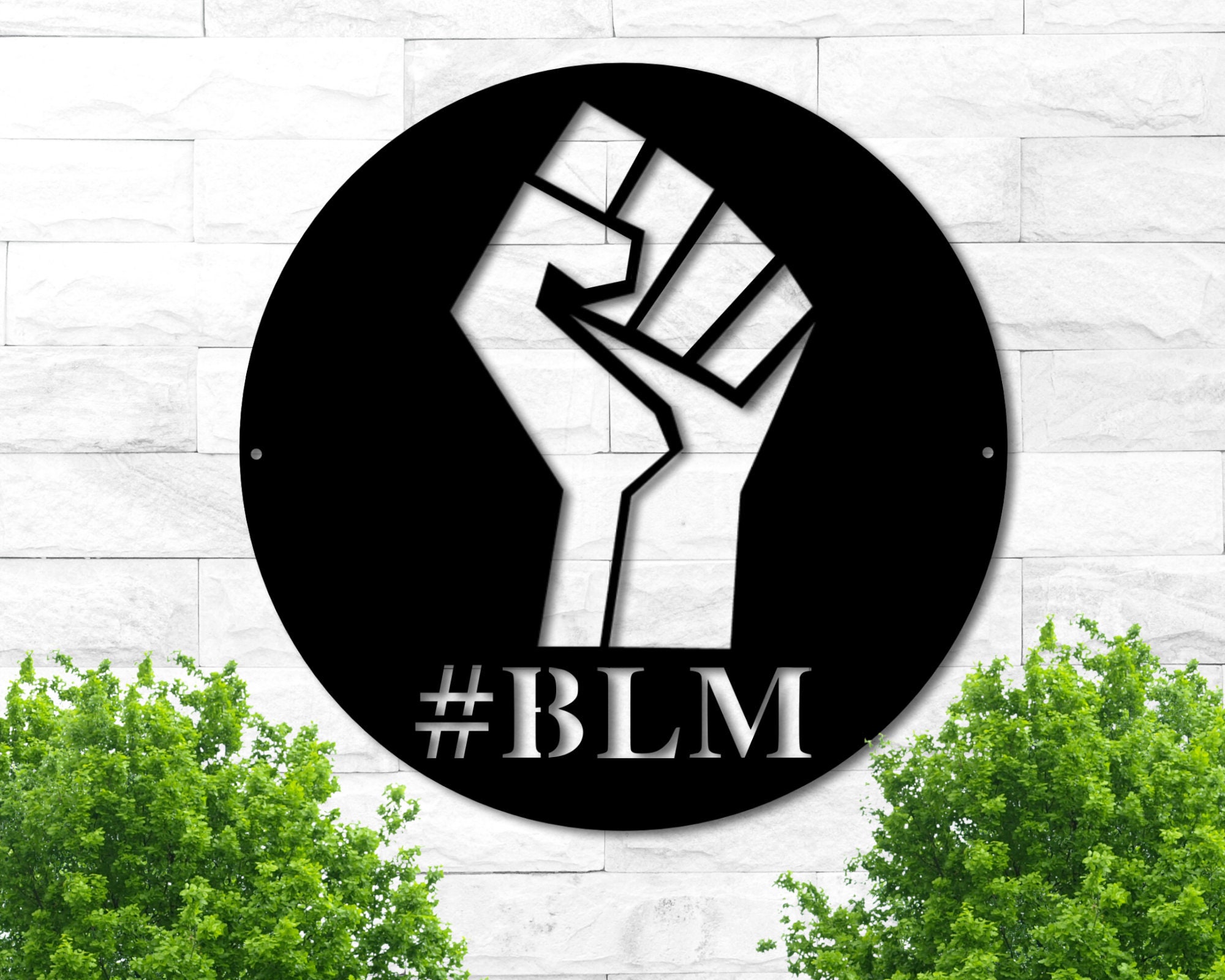
Here is a video of how a group of teens used social media to promote a massive Black Lives Matter protest
 Communicating Change